
Earwigs don’t really bite, but they do pinch. If you pick one up, sit on it or trap it against your skin, it can squeeze with the forceps on its tail, leaving a small red mark or, rarely, a tiny break in the skin. Earwigs have no venom and spread no disease, so a pinch is harmless and fades within a day or two. Wash it with soap and water and it needs no other treatment.
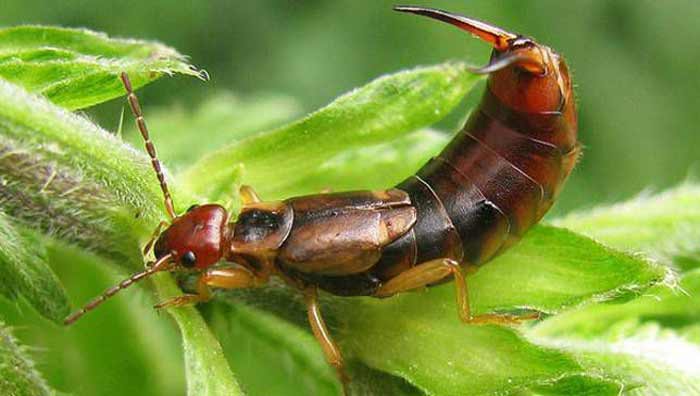
Table of Contents
What an Earwig Pinch Looks Like
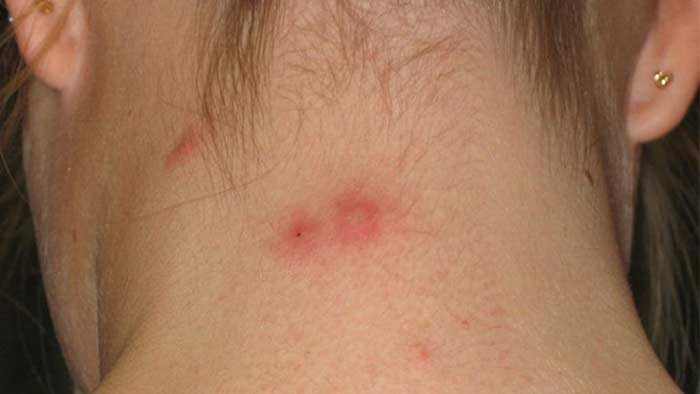
- One or two small red marks close together, where the pincers squeezed
- Mild swelling or a small welt around the spot
- Occasionally a tiny scratch or pinprick of blood
- A brief sharp pinch at the moment it happens, fading within minutes
Because the marks usually come in a pair, they are sometimes mistaken for a spider bite. Earwig pinches happen only on contact, usually while gardening, handling mulch or firewood, or when one crawls into clothing, shoes or bedding.
Are Earwig Bites Dangerous?
No. Earwigs pose no health hazard to people, according to the University of California IPM program. Their mouthparts are built for chewing plants and insects, not skin, and their pincers carry no venom. The only risk is a minor skin infection if the pinch breaks the skin and gets dirty, or an allergic reaction in someone extremely sensitive to insects, which is very rare.
How to Treat an Earwig Pinch
- Wash the area with soap and water.
- Apply a cold compress for a few minutes if it stings.
- If the skin broke, dab on an antibiotic ointment and cover with a bandage.
- Use hydrocortisone cream or an antihistamine if it itches.
- Watch for spreading redness, warmth or pus, and see a doctor if they appear.
Do Earwigs Bite Dogs and Cats?

An earwig may pinch a pet’s nose or lip when a curious dog or cat paws at it or tries to eat it. The pet may yelp or rub its face, but the pinch is harmless. Eating an earwig won’t poison a pet either. Only call a vet if you see swelling that keeps growing, trouble breathing, or vomiting, which would point to something else.
Earwig in the Ear
Despite the name, earwigs rarely go into ears. If an insect does get into an ear, don’t poke at it. See earwig in ear: symptoms and removal.
How to Avoid Earwig Pinches
- Wear gloves when gardening or moving mulch, stones, boards and firewood.
- Shake out shoes, gloves and clothes left outside or in damp garages.
- Reduce damp hiding spots near the house and seal gaps under doors.
- Trap earwigs with rolled damp newspaper or oil traps. See how to get rid of earwigs.
Learn more about earwigs in the earwig facts and pictures guide.
Earwig prevention
- Gardening gloves for mulch, stones and firewood
- Earwig traps for patios and beds
- Door sweeps to keep earwigs out
As an Amazon Associate, Pestbugs earns from qualifying purchases.
FAQs
Earwigs don’t bite in the usual sense, but they can pinch with the forceps on their tail when trapped or handled. The pinch is harmless.
An earwig pinch looks like one or two small red marks close together, sometimes with mild swelling or a tiny scratch.
No. Earwigs have no venom and are not poisonous to people or pets.
Wash the spot with soap and water, use a cold compress if it stings and an antibiotic ointment if the skin broke. Watch for signs of infection.
No. An earwig may pinch a pet’s nose, but it is harmless, and eating an earwig won’t poison a pet.
Sources
Facts in this guide are checked against the sources above and reviewed when they change. See how we research in our editorial policy.