
The best flea treatment for cats is a vet-recommended product labeled for cats, used every month on every pet in the home, along with treating the house. Spot-on topicals, oral tablets, and long-lasting collars all work when used correctly. The most important safety rule: never use a dog flea product on a cat. Many dog products contain permethrin, which can cause tremors, seizures, and death in cats, even in small amounts.
Table of Contents
Types of Flea Treatment for Cats Compared
| Type | Examples of active ingredients | How long it lasts | Best for |
|---|---|---|---|
| Spot-on topicals | Selamectin, imidacloprid, fipronil, fluralaner (some combined with an IGR) | 1 month (fluralaner topical up to 2 to 3 months) | Most cats; many also cover other parasites |
| Oral tablets, fast kill | Nitenpyram | About 24 hours | Quick relief at the start of treatment |
| Oral or injectable IGR | Lufenuron | Monthly (tablet) or 6 months (injection) | Stopping eggs from hatching; works alongside an adult flea killer |
| Flea collars | Imidacloprid with flumethrin | Up to several months | Cats that won’t tolerate monthly dosing; check fit |
| Flea combs and baths | None needed | Immediate, short-lived | Kittens too young for products; checking for fleas |
Your vet can prescribe products, and some topicals are sold over the counter. Ask your vet which one fits your cat’s age, weight, health, and whether it goes outdoors.
Permethrin Poisoning: Why Dog Products Are Dangerous
Cats can’t break down permethrin and related pyrethroids the way dogs can. Poisoning happens when a cat gets a dog spot-on, or grooms or cuddles a dog that was just treated. Signs usually start within hours and include:
- Twitching, tremors or shaking
- Seizures
- Drooling
- Stumbling or loss of coordination
- Dilated pupils, fever or trouble breathing
If you think your cat has been exposed to a dog flea product, call your vet or an emergency clinic right away. Your vet may tell you to wash the product off with mild dish soap and lukewarm water before you come in, but don’t delay getting help. Keep a treated dog and your cat apart until the dog’s product is fully dry.
How to Treat Fleas on a Cat, Step by Step
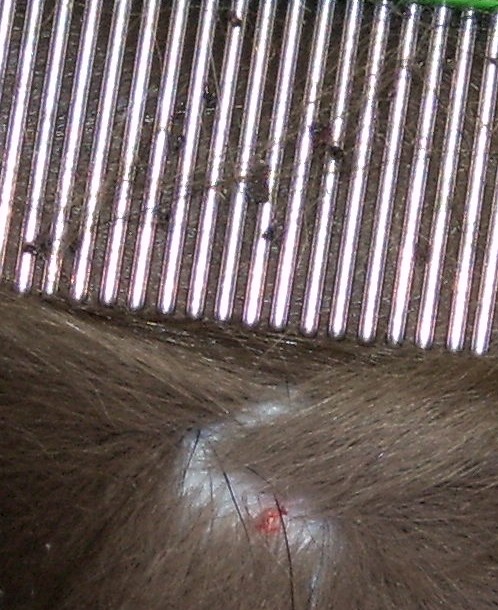
- Confirm fleas with a flea comb, or look for flea dirt that turns reddish on a wet paper towel. See the flea dirt test.
- Choose a cat-labeled product with your vet, and check the minimum age and weight on the label, especially for kittens.
- Treat all pets in the home on the same day, using the right product for each species.
- Treat the home: vacuum daily, wash bedding hot every week and use a household spray with an insect growth regulator once pets are out of the room. See how to get rid of fleas in your house.
- Repeat monthly for at least 3 months, and year-round if your cat goes outdoors or you live in a warm climate.
Kittens, Indoor Cats and Home Remedies
- Kittens: many products aren’t approved for very young or small kittens. Use a flea comb and a gentle bath, and ask your vet before using any product.
- Indoor cats: they can still get fleas from other pets, people, and visitors who carry them in. Indoor cats often need treatment only when fleas show up, but ask your vet about prevention.
- Essential oils: tea tree, citrus, peppermint and other oils can be toxic to cats. Avoid them. See natural flea remedies for what is safe.
- Tapeworms: cats that swallow fleas while grooming can get tapeworms, so ask your vet about deworming if you see rice-like segments.
Cat flea control
- Fine-tooth flea comb
- Spot-on flea treatment for cats (choose by weight; cat-labeled only)
- Long-lasting flea collar for cats
- Washable cat bed
As an Amazon Associate, Pestbugs earns from qualifying purchases. Use only products labeled for cats, and ask your vet first.
FAQ
A vet-recommended, cat-labeled product used monthly, such as a spot-on with selamectin, imidacloprid, fipronil or fluralaner. The best one depends on your cat’s age, weight, health and lifestyle, so ask your vet.
No. Many dog flea products contain permethrin, which is highly toxic to cats and can cause tremors, seizures and death. If it happens, call your vet right away.
Fleas on the cat die within hours to a day or two of treatment, but clearing the home usually takes about 3 months, because new fleas keep hatching from cocoons.
Yes. Fleas can come in on other pets, people, or visitors, and in new homes. Indoor cats are less likely to get fleas, but they aren’t immune.
A bath with plain water or a mild cat-safe shampoo can remove fleas, but it doesn’t prevent new ones. Check your flea product label first, since some topicals shouldn’t be applied right before or after a bath.
Sources
- Canadian Veterinary Medical Association: Flea and tick products can be toxic to cats
- Merck Veterinary Manual: Fleas in dogs and cats
- University of Florida Featured Creatures: Cat flea
- Connecticut Agricultural Experiment Station: Cat flea fact sheet
- Oklahoma State University Extension: Cat flea and human flea