
To get rid of fleas in your house, treat every pet, treat your home, and keep going for about two to three months. Most of a flea infestation isn’t on your pet: eggs, larvae, and cocoons live in carpets, rugs, pet beds, and furniture. Treat all pets with a vet-recommended flea product, vacuum daily, wash pet bedding hot every week, and spray carpets and furniture with a product containing an insect growth regulator (IGR). Skip flea bombs: they don’t reach the cracks where fleas develop.
| Step | What to do | Why it matters |
|---|---|---|
| 1. Treat every pet | Vet-recommended flea product on every dog and cat, every month | Stops new eggs being laid |
| 2. Vacuum daily | Carpets, rugs, furniture, baseboards, cracks; empty outside | Removes eggs and larvae and makes cocoons hatch |
| 3. Wash bedding hot | Pet beds, blankets, throws, every week | Kills eggs and larvae |
| 4. Spray with an IGR | Carpets and furniture where pets rest; repeat in 7 to 10 days | Stops eggs and larvae from developing |
| 5. Steam clean | Carpets and upholstery if fleas persist | Steam kills all flea stages |
| 6. Treat shady yard spots | Under porches, shrubs, dog houses | Stops pets bringing fleas back in |
| 7. Keep going | 2 to 3 months; expect a few fleas for up to 8 weeks | New adults keep emerging from cocoons |
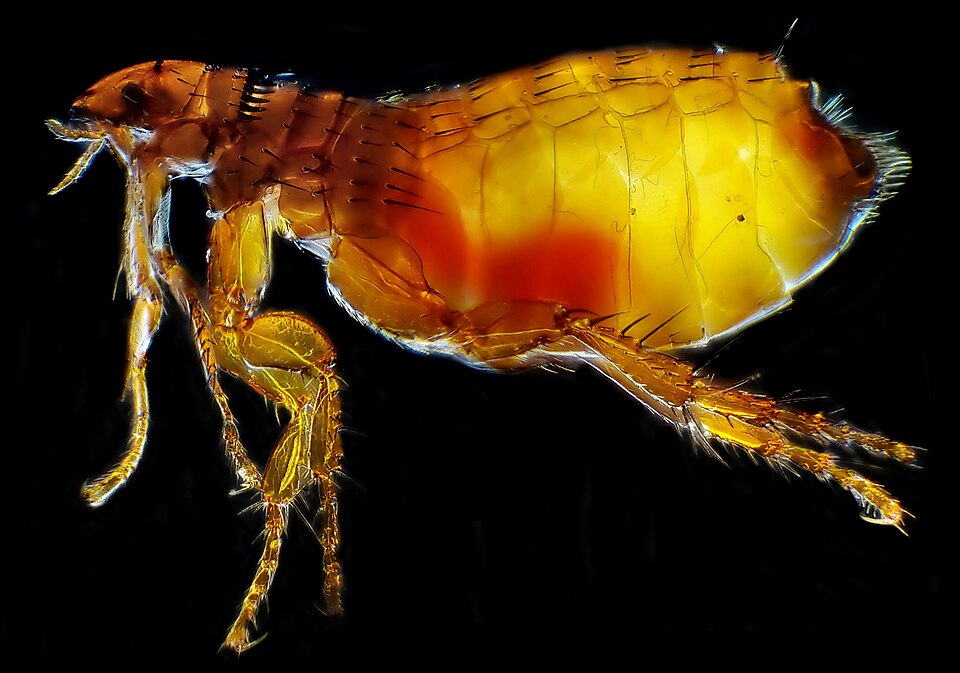
Table of Contents
Why Fleas Are So Hard to Get Rid Of
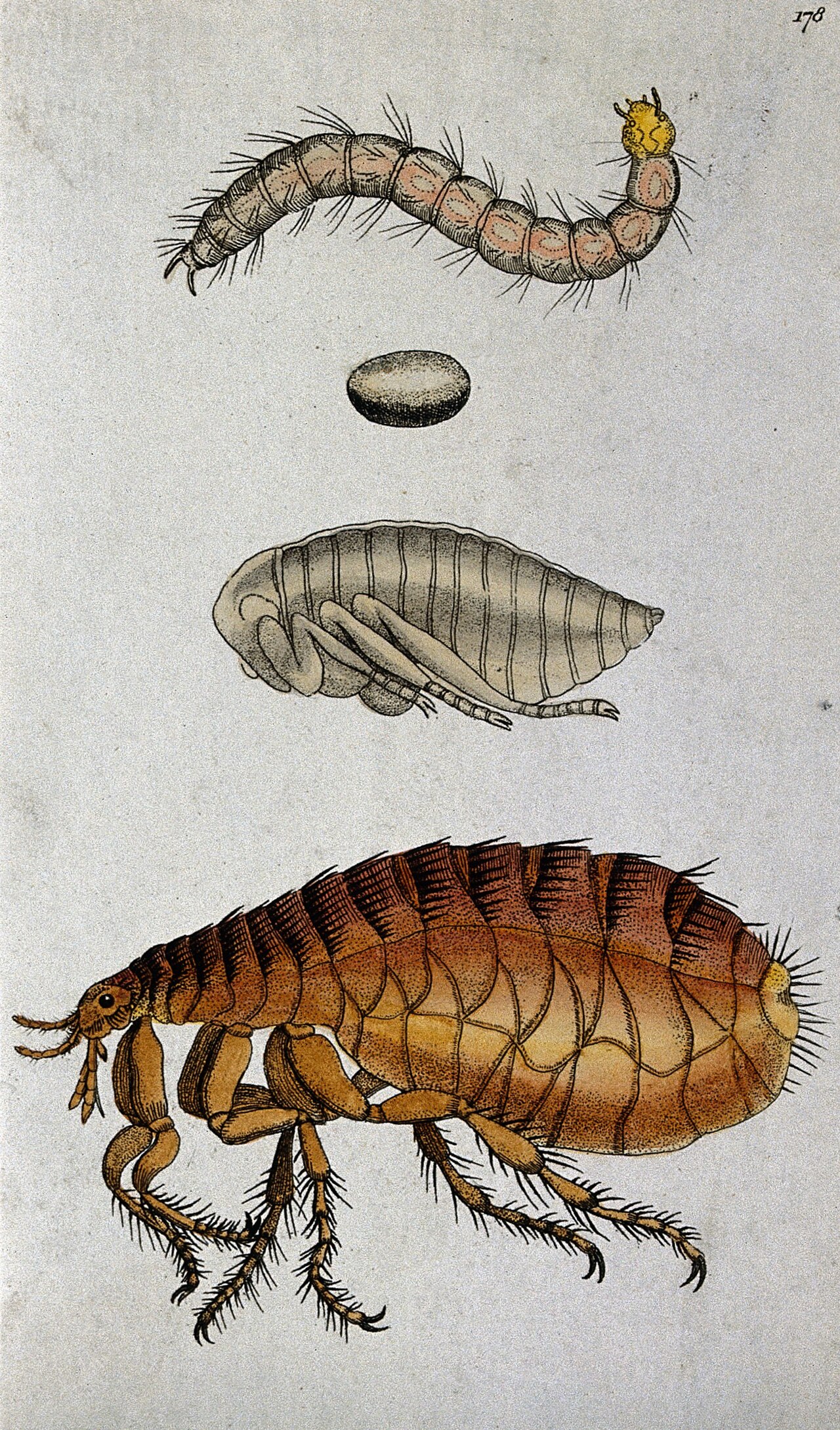
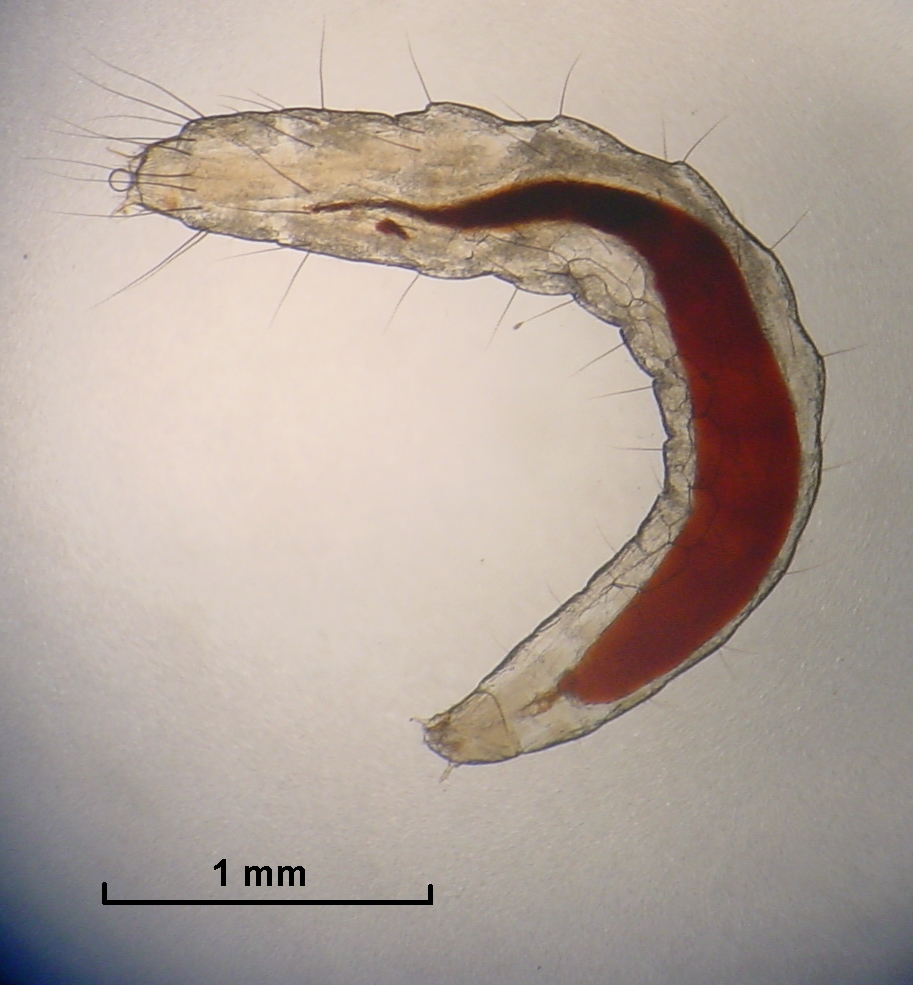
Adult fleas live on your pet, but they are only a small part of the problem. Female fleas lay up to 40 to 50 eggs a day, and the eggs fall off into pet beds, carpet and furniture. Larvae hide deep in carpet fibers and cracks, then spin sticky cocoons that protect them from sprays. Fleas inside cocoons can wait for weeks or months and hatch as soon as they sense a pet or person nearby. That is why you can treat a pet and still see fleas weeks later. See how long fleas live and flea eggs, larvae and flea dirt.
Step 1: Treat Every Pet
Treat every dog and cat in the home at the same time, even ones that don’t seem itchy, and keep treatment going monthly. Ask your vet which product suits each pet’s species, age and weight. Modern oral and topical products kill most fleas on a pet within 12 to 36 hours. Never use a dog product on a cat: many dog flea products contain permethrin, which is toxic to cats. See fleas on dogs and flea treatment for cats.
Step 2: Treat Your Home
- Vacuum every day for at least two weeks, then several times a week. Go over carpets, rugs, upholstered furniture, under cushions, along baseboards and into cracks. Vibration delays flea hatching so treatments can reach them. Empty the canister or bag into an outside bin each time.
- Wash bedding hot. Wash pet beds, blankets, and throws in hot water every week, then dry on high heat. Replace pet beds that can’t be washed.
- Use an insect growth regulator. Spray carpets, rugs and furniture where pets rest with a household flea spray containing methoprene or pyriproxyfen. These stop eggs and larvae from developing. In heavy infestations, retreat 7 to 10 days later. Keep pets and people off treated areas until they dry, and follow the label.
- Steam clean carpets and upholstery if fleas keep appearing. Steam kills all flea stages, but follow up with an IGR.
- Restrict pets to easy-to-clean rooms while you clear the infestation, and keep them out of bedrooms.
Some pest control companies apply borate carpet treatments that kill larvae as they feed in carpet. Diatomaceous earth can kill larvae too, but it irritates the lungs if inhaled, so use it sparingly, if at all. See natural flea remedies.
Step 3: Treat the Yard If Needed
If pets spend time outside, fleas can breed in shaded, moist spots they use, such as under porches and decks, beneath shrubs, and around dog houses. Treat those areas rather than the whole lawn; fleas don’t survive in hot, sunny grass. Keep wildlife such as raccoons, opossums and stray cats out of crawl spaces and from under decks. See flea treatment for your yard.
What Doesn’t Work
- Flea bombs and foggers: they settle on open surfaces and don’t reach the cracks, carpet fibers and furniture where larvae and cocoons hide.
- Treating only the pet or only the house: you need both at the same time.
- Brewer’s yeast, garlic, ultrasonic collars and most repellent collars: little or no value in testing.
- Stopping too early: fleas keep emerging from cocoons for weeks after the first treatment.
How Long Does It Take to Get Rid of Fleas?
Plan on two to three months. Even with an effective pet product, clearing an existing infestation usually takes that long, because new adults keep hatching from cocoons in the home. You may see a few fleas on treated pets for up to 8 weeks. That doesn’t mean the product failed: those fleas die before they can lay eggs. Keep treating pets year-round to stop the cycle from starting again.
Fleas in a House Without Pets
Fleas can turn up in a home with no pets if a previous owner had animals, or if wildlife, stray cats or rodents are living under the house, in the attic or in crawl spaces. Fleas waiting in cocoons can survive for months in an empty house and bite people when they move in. Vacuum thoroughly, use an IGR spray, and find and block any animals nesting around the house. See: Can fleas live on humans?
When to Call a Professional
Call a licensed pest professional if fleas persist after a month of treating pets and the home, if the infestation is heavy, or if wildlife is involved. Professionals can apply residual products and IGRs more thoroughly to cracks, crawl spaces, and outdoor areas.
Flea control for the home
- Household flea spray with IGR (methoprene or pyriproxyfen)
- Flea comb to check pets
- Carpet steam cleaner
- Washable pet bed
- Vacuum with sealed bags
As an Amazon Associate, Pestbugs earns from qualifying purchases. Ask your vet which on-pet flea treatment suits each animal.
FAQ
Nothing clears a house instantly. Contact sprays and steam kill fleas they reach, and vacuuming removes many, but eggs and cocoons survive. Combine pet treatment, daily vacuuming, hot washing and an insect growth regulator spray, and expect it to take two to three months.
Not well. Foggers settle on open surfaces and don’t reach the cracks, carpet fibers and furniture where flea larvae and cocoons hide. Targeted sprays with an insect growth regulator work better.
Usually two to three months. New fleas keep hatching from cocoons for weeks, so you may see a few on treated pets for up to 8 weeks even when treatment is working.
For a while. Eggs, larvae and cocoons can survive for weeks to months, and fleas will bite people. Wildlife or stray animals living around the house can also bring fleas in.
Usually because fleas are still hatching from cocoons in the home, not every pet was treated, or treatment stopped too soon. Keep vacuuming, keep treating every pet monthly, and repeat the IGR spray after 7 to 10 days.
Only if pets spend time outside and the shaded spots they use could hold fleas, such as under decks, shrubs and porches. Large sunny lawns don’t need treating.
Sources
- Merck Veterinary Manual: Fleas in dogs and cats
- University of Florida Featured Creatures: Cat flea
- University of Georgia: Cat flea
- Connecticut Agricultural Experiment Station: Cat flea fact sheet