
Bed bugs don’t come from dirt or poor hygiene. They are hitchhikers that travel into homes on luggage, clothing, used furniture and mattresses, or crawl in from a neighboring apartment. Most infestations start after a trip, a hotel stay, a visitor, or bringing home second-hand items. Clean and cluttered homes are equally at risk, because bed bugs only need a person to feed on.
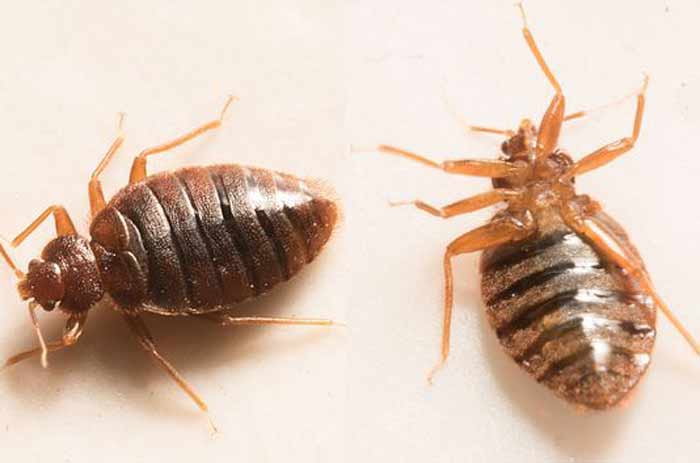
Table of Contents
How You Get Bed Bugs: The Most Common Ways
- Travel: hotels, motels, hostels, vacation rentals, cruise ships and sleeper trains. Bugs crawl into luggage and come home with you.
- Used furniture: mattresses, box springs, couches, bed frames and nightstands picked up second-hand or from the curb.
- Neighbors: in apartments, dorms and condos, bed bugs move between units along pipes, wiring and wall voids.
- Visitors: guests, house-sitters or moving crews can carry a bug or two on bags and clothing.
- Public places: less often, from movie theaters, buses, offices, schools and hospitals, where a bug can climb into a bag or coat.
- Clothing and laundry: shared laundry rooms, second-hand clothing and borrowed bags.
Where Bed Bugs Came From Originally
The common bed bug, Cimex lectularius, is thought to have first fed on bats and early humans living in caves. It spread around the world with people over thousands of years. Bed bugs became rare in developed countries after the 1950s, then made a strong comeback from the late 1990s, driven by international travel, second-hand furniture and resistance to common insecticides.
How a Bed Bug Infestation Starts
A single pregnant female or a few bugs are enough. They settle into a mattress seam, bed frame or couch near where someone sleeps, come out at night to feed every few days, and lay one to several eggs a day. With eggs hatching in about a week and bugs maturing in about a month, a small introduction can become a noticeable infestation within a couple of months. See the bed bug life cycle.
First Signs of Bed Bugs
- Itchy bites in lines or clusters on the upper body after sleeping
- Rusty or red spots on sheets and pillowcases
- Black dots like marker ink in mattress seams
- Pale shed skins and tiny white eggs in seams and cracks
- Live bugs, flat and apple-seed-sized, near the bed
Pictures of every sign: what bed bugs look like. Where to check: where bed bugs hide.
Myths About Where Bed Bugs Come From
| Myth | Fact |
|---|---|
| Bed bugs mean a dirty home | They feed on blood, not dirt. Clean homes and luxury hotels get them too, though clutter gives them more hiding places. |
| They come from outside, like ants | Bed bugs don’t live outdoors. They are carried in by people or come from neighboring units. |
| They jump or fly onto you | Bed bugs can’t fly or jump. They crawl. |
| Pets bring them in | Pets rarely carry bed bugs. Bed bugs don’t live on animals the way fleas do. |
| You’d see them in daytime | They hide during the day and feed at night, so infestations often go unnoticed for weeks. |
How to Avoid Bringing Bed Bugs Home
- At hotels: keep luggage on a rack or in the bathroom, not on the bed or floor. Check the mattress seams and headboard with your phone flashlight.
- After a trip: unpack straight into the washer, and dry clothes on high heat for at least 30 minutes. Vacuum the suitcase.
- Used furniture: inspect seams and joints before bringing it in, and skip curbside mattresses and upholstered furniture.
- In apartments: seal gaps around pipes and outlets, and use interceptors under bed legs for early warning.
- Encase your mattress and box spring so any bugs that arrive have fewer places to hide.
If you already have them, see how to get rid of bed bugs and bed bug treatment cost.
Stop bed bugs coming home
- Folding luggage rack to keep bags off hotel floors and beds
- Mattress encasement to protect your own bed
- Interceptor cups for early warning
- Luggage liners and sprays for frequent travelers
As an Amazon Associate, Pestbugs earns from qualifying purchases.
FAQs
Bed bugs come into homes on luggage, clothing, used furniture and mattresses, or from neighboring apartments. They don’t come from dirt or from outdoors.
Yes. Bed bugs feed on blood, not dirt, so a clean home can get them if someone brings them in. Clutter only makes them harder to find and treat.
Yes. A single pregnant female can lay hundreds of eggs over her life, which is enough to start an infestation.
No. Bed bugs don’t live outdoors in yards or gardens. They are carried in by people or spread from nearby units.
Think back over the last few weeks: recent travel, hotel stays, guests, second-hand furniture or neighbors with bed bugs are the most likely sources.
Sources
Facts in this guide are checked against the sources above and reviewed when they change. See how we research in our editorial policy.
Related guides
- What Attracts Bed Bugs & things they Hate /Dislike Most
- How do Bed Bugs Spread? Are they Contagious? How Fast/Easily from Person, Room or House?
- How to Kill Bed Bugs with Steam: Best Steamers & Guide + Tips
- What Do Bed Bug Bites Look Like? Pictures, Patterns & How to Tell
- Bed Bug Bites vs Flea, Mosquito, Spider & Dust Mite Bites (Pictures)
- Bed Bug Interceptor-How it works, DIY & Reviews