
Bed bug bites look like small, red, itchy bumps, often in a straight line or a tight cluster of three to five, on skin left uncovered in bed: the face, neck, arms, hands, shoulders and legs. Many people don’t notice them until one to several days after the bite. Bites alone can’t prove bed bugs, so the only sure confirmation is finding the bugs or their signs in your bed.
| Look | Red, raised bumps, sometimes with a darker center; may swell into welts |
| Pattern | Lines, zigzags or clusters of 3 or more |
| Where | Face, neck, arms, hands, shoulders, legs: skin exposed while sleeping |
| When they appear | Usually 1 to several days after the bite, up to 14 days |
| How long they last | About 1 to 2 weeks |
| Dangerous? | Bed bugs are not known to spread disease; scratching can cause infection |
Table of Contents
Bed Bug Bite Pictures
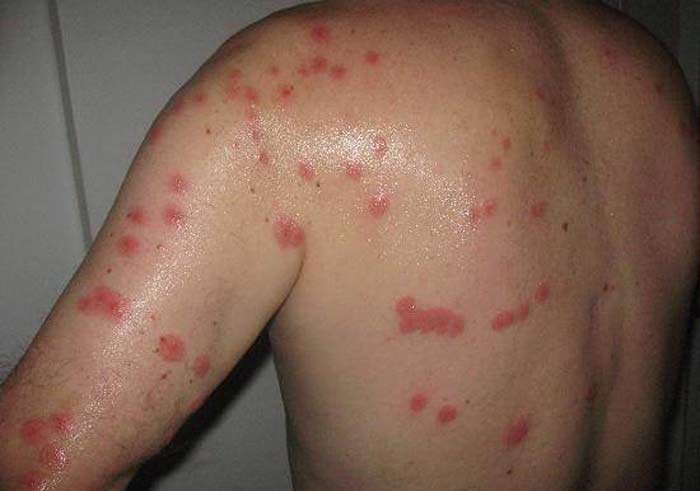
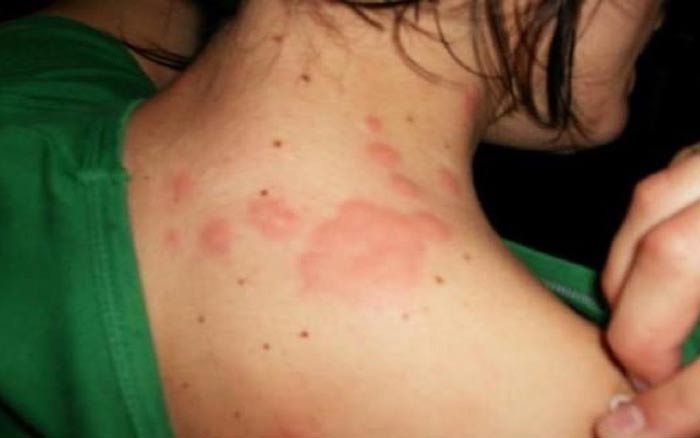
Reactions vary a lot from person to person. Some people get large, swollen welts. Others get flat red spots, and some show no reaction at all, so one person in a bed can be covered in bites while their partner has none.
What Bed Bug Bites Look Like, Step by Step
1. Small red bumps
Each bite is a raised red spot, often 2 to 5 millimeters across. Some have a tiny dark dot in the middle where the bug fed. Bed bugs inject a numbing agent while they feed, which is why the bite doesn’t wake you.
2. A line or cluster
A bed bug often probes several times as it moves along skin, leaving three or more bites in a row or a tight group. People call this the “breakfast, lunch and dinner” pattern. Lines often follow the edge of pajamas or bedsheets.
3. Itching and swelling
Bites usually itch, sometimes intensely, and can swell into hive-like welts. Scratching breaks the skin and can lead to infection or dark marks that last longer than the bite itself.
4. New bites each morning
Bed bugs feed at night. Waking with fresh bites that weren’t there when you went to bed, again and again, points strongly to bed bugs. Bites that appear during the day in places you haven’t slept are more likely from fleas, mosquitoes or mites.
Bed Bug Bites vs Other Bites
| Bite | Looks like | Where on body | Key difference |
|---|---|---|---|
| Bed bug | Red bumps in lines or clusters | Face, neck, arms, shoulders | New bites appear overnight, often days later, and keep coming |
| Mosquito | Single puffy, pale-to-red bump | Any exposed skin | Random, appear within minutes, usually fade in a day or two |
| Flea | Tiny red dots, often with a red halo | Ankles and lower legs | Clusters around feet; you usually have pets |
| Spider | One bump, sometimes two fang marks | Anywhere | Usually a single bite, not a line |
| Chiggers | Very itchy red bumps | Waistband, sock line, behind knees | Follow tight clothing after time outdoors |
| Scabies | Tiny bumps and thin burrow lines | Finger webs, wrists, waist | Itch worst at night, spreads to people you touch; needs a doctor |
See the full side-by-side guide with pictures: bed bug bites vs flea, mosquito and spider bites.
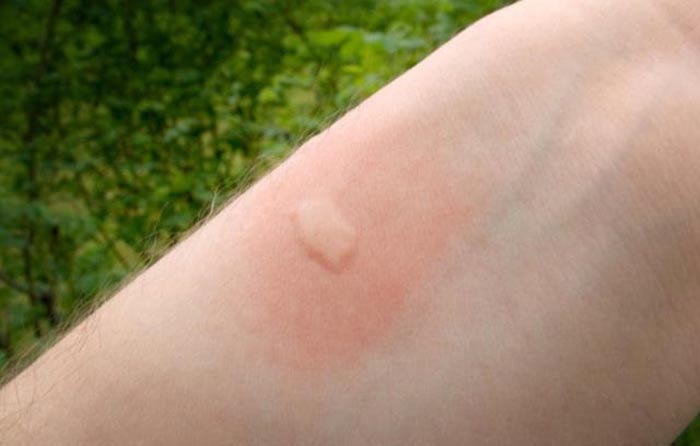
Bed bug bites vs pimples
Bites on the face are often mistaken for acne. A pimple forms a white or yellow head of pus within a few days and can be popped. A bed bug bite stays a firm red bump with no head, and it itches, which pimples rarely do. A bite only fills with pus if scratching infects it.
How to Confirm the Bites Are From Bed Bugs
Doctors can’t tell bed bug bites from other insect bites by looking alone. Confirm by finding the bugs or their traces. Use a flashlight and check:
- Mattress seams, piping and tags, especially at the head end
- Box spring and bed frame joints, and behind the headboard
- Rusty or dark spots on sheets and the mattress: crushed bugs or droppings. Droppings smear like a marker when wiped with a damp cloth.
- Shed skins: pale, empty, bug-shaped shells
- Tiny white eggs, about 1 millimeter long, in crevices
- Live bugs: flat, reddish-brown, apple-seed-sized adults, or pale nymphs
- A musty, sweet odor in heavy infestations
Pictures of each sign are in what bed bugs look like, and the full list of hiding spots is in where bed bugs hide. Interceptor cups under the bed legs are a cheap way to catch bugs and confirm an infestation.
How to Treat Bed Bug Bites
- Wash the bites with soap and water to prevent infection and ease itching.
- Apply a hydrocortisone (corticosteroid) cream to calm itching and swelling.
- Take an oral antihistamine at night if itching keeps you awake.
- Don’t scratch. Keep nails short and cover bites if needed.
Most bites fade within one to two weeks. See a doctor if you have many bites, blisters, signs of infection such as pus or spreading tenderness, or a strong allergic reaction with hives or large swelling. Read more on bed bug rashes and how long bed bug bites last. Bed bugs are not known to spread disease, so infection from scratching and allergic reactions are the main risks, covered in can bed bugs make you sick.
Confirm bed bugs and stop the bites
- Bed bug interceptor cups under each bed leg to catch and confirm bugs
- Bed bug-proof mattress encasement to trap bugs inside and stop new bites
- Bright LED flashlight for checking seams and crevices
- 1% hydrocortisone cream for itchy bites
As an Amazon Associate, Pestbugs earns from qualifying purchases.
Bed Bug Bite FAQs
Bed bug bites are small, red, itchy bumps, often in a line or a cluster of three or more, on skin that was uncovered while you slept, such as the face, neck, arms and shoulders.
Look at the pattern and timing: several bites in a line or cluster that appear overnight, on skin exposed in bed. Then confirm by finding bed bugs, shed skins, eggs or dark spots in mattress seams and the bed frame.
Bed bug bites usually itch but rarely hurt. Bed bugs inject a numbing agent while feeding, so most people don’t feel the bite and notice the itchy bumps hours or days later.
Most bed bug bites appear one to several days after the bite. In some people the marks take up to 14 days to show, and some people never react.
Bed bugs are not known to spread disease to people. The main risks are itching, lost sleep, and skin infection from scratching.
Sources
Facts in this guide are checked against the sources above and reviewed when they change. See how we research in our editorial policy.
This article is general information, not medical advice. See a doctor or dermatologist about bites that worry you.
Related guides
- How to Get Rid of Bed Bugs: 7 Steps That Work (DIY & Professional)
- What Attracts Bed Bugs & things they Hate /Dislike Most
- How do Bed Bugs Spread? Are they Contagious? How Fast/Easily from Person, Room or House?
- How to Kill Bed Bugs with Steam: Best Steamers & Guide + Tips
- Bed Bug Treatment Cost (2026): Heat, Fumigation & Exterminator Prices
- Bed Bug Interceptor-How it works, DIY & Reviews