
No spray, powder or fogger gets rid of bed bugs by itself. Sprays labeled for bed bugs kill the bugs they hit and help in cracks and seams. Desiccant dusts such as diatomaceous earth and silica gel keep working for months in hidden spots. Foggers (bug bombs) and repellents don’t work. Use these products as one part of a plan that also includes heat, hot laundry, mattress encasements and interceptors, or call a professional.
| Product | Does it work? | Best use |
|---|---|---|
| Contact sprays (labeled for bed bugs) | Partly | Kill bugs you can see and spray directly; many bed bugs resist common pyrethroids |
| Residual sprays | Partly | Cracks, crevices, bed frame joints and baseboards |
| Plant-oil sprays (EcoRaider, Bed Bug Patrol) | Partly, on direct contact | The only 2 of 11 natural products that killed 90%+ in a Rutgers study |
| Diatomaceous earth, silica gel dusts | Yes, slowly | Thin layer in cracks, wall voids, outlets and under furniture |
| Foggers and bug bombs | No | Avoid; they miss hidden bugs and can be a fire hazard |
| Repellent sprays, oils and creams | No | No product reliably keeps bed bugs away |
| Ultrasonic repellers | No | Bed bugs ignored them in testing |
| Rubbing alcohol | Poorly | Misses hidden bugs and is flammable; see does alcohol kill bed bugs |
Table of Contents
Bed Bug Sprays
Bed bug sprays come in two kinds. Contact sprays kill bugs when they are wet with the spray but leave little behind. Residual sprays leave a film that keeps killing bugs that walk across it for some time. Many bed bug populations have become resistant to the pyrethroid insecticides found in most over-the-counter sprays, which is why a spray that kills one batch of bugs may barely affect another. The EPA recommends switching to a different type of product if repeated treatments don’t work.

How to use a bed bug spray safely:
- Check that the label lists bed bugs and the place you plan to treat. Never use an outdoor product indoors.
- Spray cracks and crevices: mattress seams and tags if the label allows, the bed frame joints, headboard, baseboards, furniture joints and behind outlet covers where allowed.
- Don’t spray bedding, pillows or clothing you wear. Launder them hot instead.
- Keep children and pets out until surfaces dry, and ventilate the room.
- Repeat as the label directs. Eggs that survive will hatch in about one to two weeks.
Natural and plant-oil sprays
Rutgers University researchers tested 11 natural bed bug products, most of them essential-oil based. Only EcoRaider and Bed Bug Patrol killed more than 90% of bed bug nymphs they were sprayed on directly, and only EcoRaider had a noticeable effect on eggs (87%). The others killed far fewer. Because bed bugs hide deep in cracks, the researchers expect real-world results to be lower than in the lab.
Diatomaceous Earth and Other Dusts
Desiccant dusts, mainly diatomaceous earth (DE) and silica gel, kill bed bugs that crawl through them by drying them out. They don’t break down, so they keep working in hidden spots for a long time, but they are slow: the EPA notes desiccants can take several months to work.

- Use a product registered as a pesticide and labeled for bed bugs. Don’t use pool-grade (calcined) DE, which is hazardous to breathe.
- Apply a light, barely visible dusting with a bulb duster into cracks, along baseboards, under furniture, inside box spring frames and in wall voids behind outlet covers.
- Keep dust off beds and away from air vents, and wear a dust mask when applying it.
- Leave it in place. Vacuuming it up removes it.

Do Bed Bug Bombs and Foggers Work?
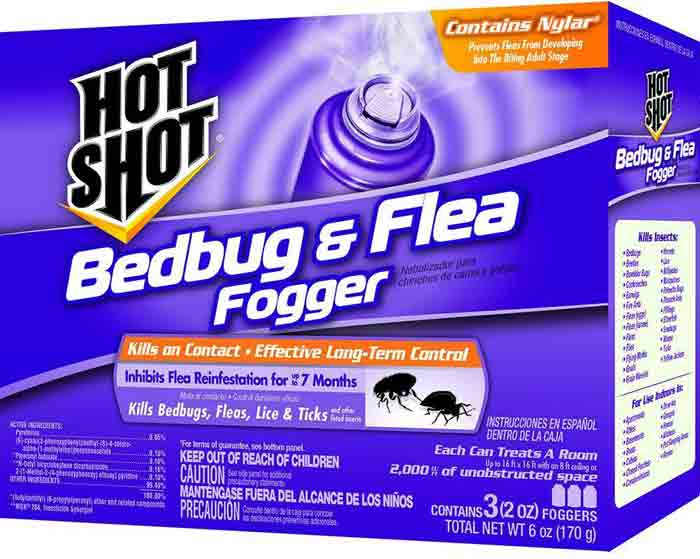
No. In a 2012 Ohio State University study, three over-the-counter foggers had little, if any, effect on five bed bug populations. The mist settles on open surfaces, while bed bugs hide under mattresses and deep in cracks where it never reaches. The researchers warned that foggers waste money, delay effective treatment and may add to insecticide resistance. Foggers can also catch fire if used near pilot lights, stoves or sparks.
Do Bed Bug Repellents Work?
No product reliably keeps bed bugs away. In a 2012 study, bed bugs showed no response to commercial ultrasonic repeller devices. Essential oils, scented sprays and creams have no good evidence as repellents. The best protection is keeping bed bugs out: how bed bugs spread covers travel and prevention tips.

What Actually Gets Rid of Bed Bugs
Products work best as part of a full plan: inspect, launder and heat-treat what you can, encase the mattress and box spring, put interceptors under the bed, treat cracks with a labeled spray or dust, and keep checking for a year. Follow our 7 steps to get rid of bed bugs, and see bed bug treatment costs if you are weighing a professional.
Bed bug sprays and dusts
- EcoRaider bed bug spray, the top natural product in Rutgers testing
- Bed Bug Patrol spray
- Silica gel dust (CimeXa) for cracks and voids
- Diatomaceous earth bed bug killer with duster
- Bulb duster for a thin, even layer
- Bed bug proof mattress encasement
As an Amazon Associate, Pestbugs earns from qualifying purchases. Always read and follow the product label.
FAQ
Look for an EPA-registered product labeled for bed bugs and use it on cracks, seams and furniture joints, not as your only treatment. In a Rutgers University study of 11 natural products, only EcoRaider and Bed Bug Patrol killed more than 90% of bed bugs they were sprayed on directly, and only EcoRaider had a noticeable effect on eggs.
No. In a 2012 Ohio State University study, three store-bought foggers had little or no effect on bed bugs, because the mist doesn’t reach the cracks and seams where they hide. Foggers can also start fires if used near pilot lights or sparks.
Contact sprays like Raid can kill bed bugs they hit directly. Many bed bug populations are resistant to the pyrethroid insecticides in common sprays, and sprays don’t reach hidden bugs or kill most eggs, so they won’t clear an infestation alone.
Desiccant dusts like diatomaceous earth and silica gel work slowly, by drying out bed bugs that crawl through them. The EPA notes they can take several months to work. Use a product labeled as a pesticide for bed bugs and apply a thin layer in cracks and voids.
No. In a 2012 study, bed bugs showed no response to commercial ultrasonic devices. No repellent, spray or plug-in reliably keeps bed bugs away.
Only if the label allows it, and never on bedding or clothes you wear. Wash and dry clothes and bedding on high heat instead, and use a bed bug proof encasement on the mattress.
Sources
- EPA: Do-it-yourself bed bug control
- Entomology Today: Researchers compare efficacy of natural bed bug pesticides (Rutgers)
- Phys.org: Bug-bomb foggers are no match for bed bugs (Ohio State)
- Phys.org: Bed bugs are not repelled by commercial ultrasonic devices
Related guides
- How to Get Rid of Bed Bugs: 7 Steps That Work (DIY & Professional)
- What Do Bed Bugs Look Like? Pictures, Size, Eggs, Shells & Poop
- What Attracts Bed Bugs & things they Hate /Dislike Most
- How do Bed Bugs Spread? Are they Contagious? How Fast/Easily from Person, Room or House?
- How to Kill Bed Bugs with Steam: Best Steamers & Guide + Tips
- What Do Bed Bug Bites Look Like? Pictures, Patterns & How to Tell