
Bed bug traps are for detecting and monitoring bed bugs, not for wiping out an infestation. The most useful type is the interceptor cup: a dish that sits under each bed leg and catches bugs climbing up to feed or back down to hide. Passive glue monitors and CO2 (yeast and sugar) traps help confirm bed bugs in rooms where no one sleeps. Use traps alongside treatment, and keep them in place after treatment to check whether any bugs survived.

Table of Contents
Types of Bed Bug Traps Compared
| Trap type | How it works | Best for | Limits | Buy |
|---|---|---|---|---|
| Interceptor cups | Bugs climb into a slippery outer well and can’t climb out | Beds and couches; ongoing monitoring | Only catch bugs moving to and from the furniture they’re under | See interceptors |
| Glue / sticky monitors | Harborage-style card or sticky strip where bugs hide and get stuck | Headboards, bed frames, behind furniture | Catch few bugs; best as early warning | See monitors |
| CO2 lure traps | Release carbon dioxide (like a sleeping person) to draw bugs into a pitfall | Empty rooms, vacation homes, checking before moving in | Need refills; less useful where a person sleeps nearby | See CO2 traps |
| Heat and pheromone lures | Warmth and scent draw bugs to a sticky surface | Hotels, apartments, travel | Mixed results; pair with other traps | See lure traps |
Links go to Amazon search results so you can compare current brands, prices and reviews. As an Amazon Associate, Pestbugs earns from qualifying purchases.
How to Use Interceptor Cups
- Pull the bed a few inches from walls and curtains so bugs can only reach it by the legs.
- Tuck in or lift bedding and skirts so nothing touches the floor.
- Place one interceptor under each bed leg; use them under couch and chair legs too.
- Dust a thin layer of talc in the outer well if the cup’s instructions say so; it keeps bugs from climbing out.
- Check the cups every few days with a flashlight. Bugs in the outer ring are coming from the room; bugs in the inner ring are coming from the bed.
- Empty and clean cups each week, and keep using them for at least 6 to 8 weeks after treatment.
DIY Bed Bug Traps
Homemade CO2 trap (yeast and sugar)
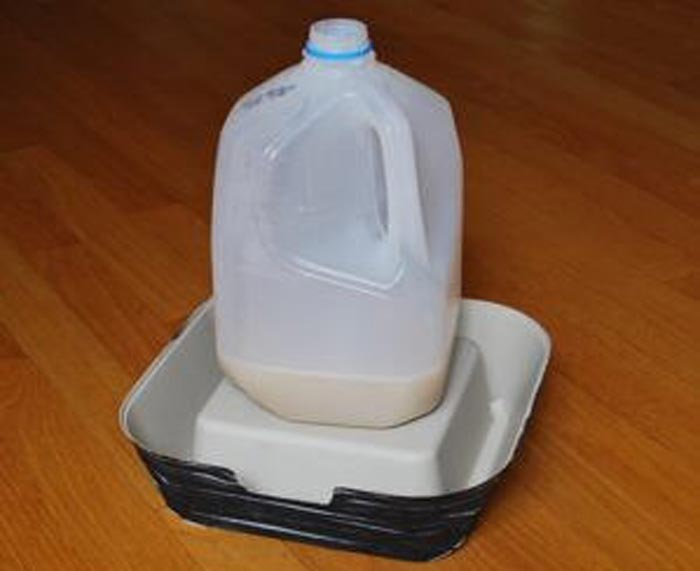
- Cut a 2-liter plastic bottle in half and turn the top upside down into the bottom to make a funnel.
- Mix 1 1/2 cups of sugar and 1 tablespoon of active dry yeast with about 2 cups of warm water in the bottom.
- Place the bottle inside a shallow dish or bowl whose outer walls are wrapped in masking tape (so bugs can climb in) and dusted inside with talc (so they can’t climb out).
- Set it on the floor near the bed overnight. The yeast releases CO2, which draws bed bugs into the dish.
It won’t catch many bugs, and it works best in a room where no one is sleeping to compete with it, but it can confirm a suspected infestation.
DIY interceptors
Put a small plastic cup inside a larger plastic bowl, wrap the outside of the bowl in textured tape so bugs can climb up, and dust the inside with talc. Stand the bed leg in the small cup.
Double-sided tape

Tape around bed legs or along the bed frame catches some bugs, but dust quickly ruins it and bugs can walk over trapped companions. Commercial interceptors work better.
Do Bed Bug Traps Get Rid of Bed Bugs?
No. Traps catch a fraction of the bugs, and eggs and bugs hiding in the mattress, frame and walls are untouched. Use them to confirm bed bugs, to see which rooms are affected, and to judge whether treatment has worked. For the treatment itself, see how to get rid of bed bugs, heat treatment and mattress encasements.
FAQs
Bed bug traps work for detecting and monitoring bed bugs, especially interceptor cups under bed legs. They don’t catch enough bugs to end an infestation on their own.
Interceptor cups placed under every bed and couch leg are the most useful bed bug trap for most homes. CO2 traps help check empty rooms.
Mix sugar, yeast and warm water in a bottle to release CO2, and place it in a talc-dusted dish with taped outer walls so bugs can climb in but not out.
Keep interceptors under the bed for at least 6 to 8 weeks after the last treatment. No catches over that time is a good sign the bed bugs are gone.
Put interceptors under each leg of the bed and couch, with the bed pulled away from walls. Place monitors on headboards and bed frames, and CO2 traps on the floor in rooms you want to check.
Sources
Facts in this guide are checked against the sources above and reviewed when they change. See how we research in our editorial policy.
Related guides
- What Do Bed Bugs Look Like? Pictures, Size, Eggs, Shells & Poop
- What Attracts Bed Bugs & things they Hate /Dislike Most
- How do Bed Bugs Spread? Are they Contagious? How Fast/Easily from Person, Room or House?
- How to Kill Bed Bugs with Steam: Best Steamers & Guide + Tips
- What Do Bed Bug Bites Look Like? Pictures, Patterns & How to Tell
- Where Do Bed Bugs Hide? 12 Places to Check (Bed, Couch, Car & More)