
The most reliable way to get rid of gophers is trapping. Find the main burrow by probing 4 to 12 inches from the plugged side of a fresh, crescent-shaped mound, then set two traps in the tunnel, one facing each direction, and cover the hole. Protect new plantings with buried wire mesh. Repellent plants, castor oil, sonic stakes, chewing gum and smoke bombs don’t work, because gophers quickly seal their tunnels and no repellent has been proven effective.
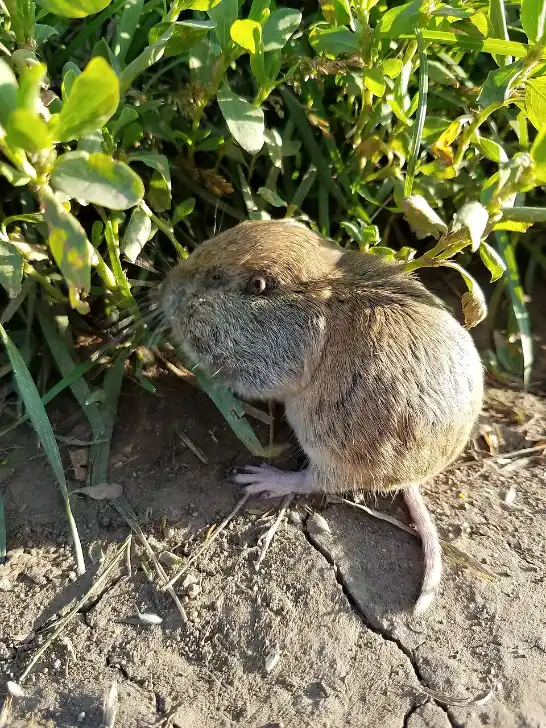
Table of Contents
How to Tell You Have Gophers
Pocket gophers are burrowing rodents, 6 to 10 inches long including the short tail, that spend almost all their lives underground. You will usually see their mounds, not the gophers:
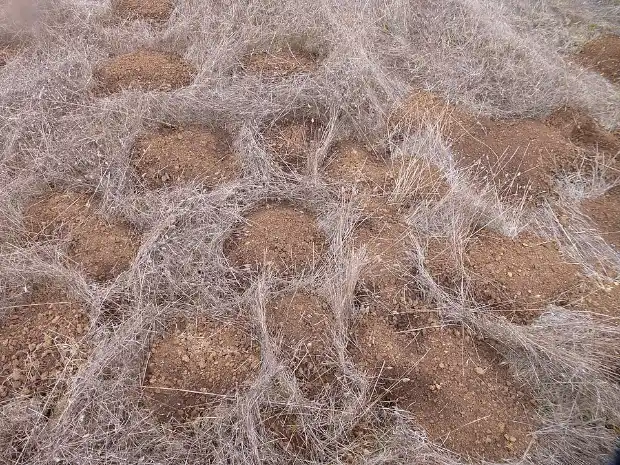
- Crescent- or horseshoe-shaped mounds of fresh soil, with a plugged hole off to one side. Fresh, dark, moist mounds mean active gophers, and one gopher can push up several mounds a day.
- Plants pulled down into the ground, wilting plants with eaten roots, and missing bulbs.
- No open holes: gophers keep their burrows plugged. Open holes without mounds point to ground squirrels or voles.
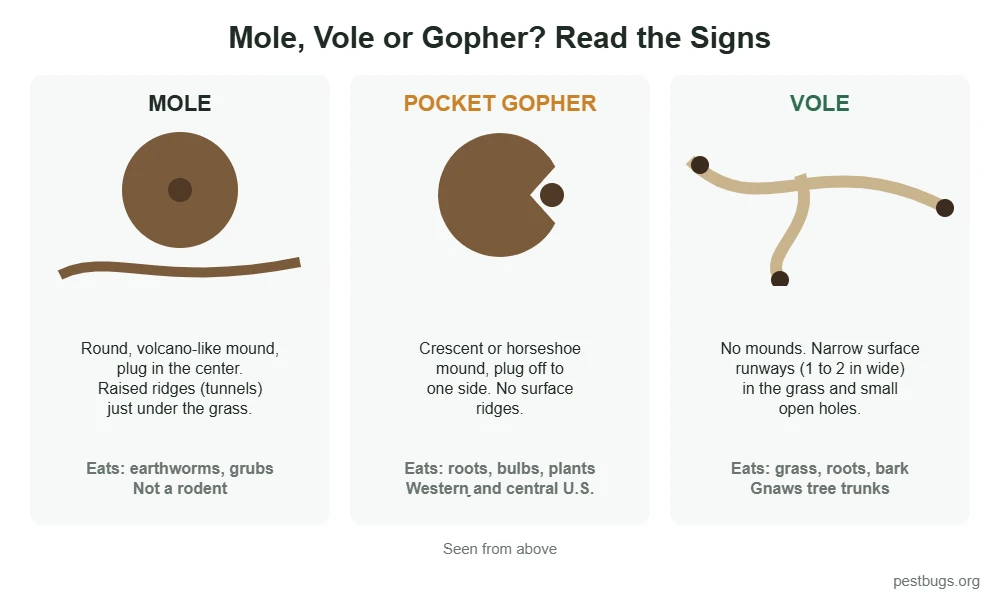
Round, volcano-shaped mounds with raised ridges point to moles instead; see how to get rid of moles. Narrow surface runways point to voles.
How to Get Rid of Gophers: Trapping Step by Step
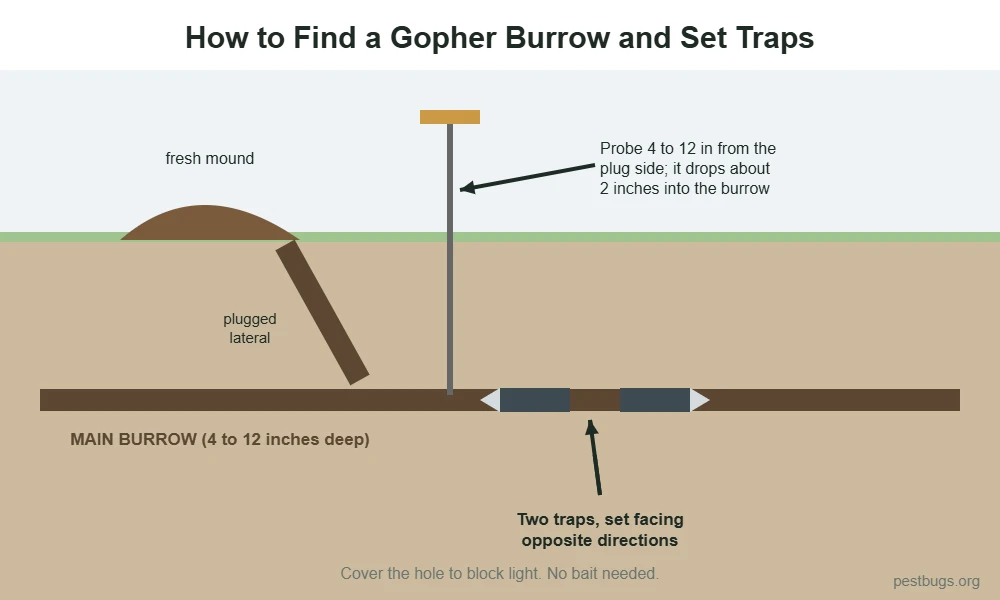
- Find a fresh mound. Look for the plug, a small circle or depression of soil on one side.
- Probe for the main burrow. Push a gopher probe or long screwdriver into the soil about 4 to 12 inches from the plug side. When it suddenly drops about 2 inches, you have found the burrow, usually 4 to 12 inches deep.
- Open the tunnel with a trowel and set two traps, one facing each direction, so you catch the gopher whichever way it comes. Pincer traps (such as Macabee or Cinch styles) and box traps both work.
- Cover the hole with a board, sod or a bucket to keep light out. Gopher traps don’t need bait.
- Check traps often. If nothing is caught within 1 to 2 days, move them to another fresh mound. Keep trapping until no new mounds appear.
Keep Gophers Out of Gardens and New Plantings
- Raised beds: line the bottom with hardware cloth or 3/4-inch mesh wire before filling with soil.
- Underground fence: bury hardware cloth or 1/2- to 3/4-inch mesh wire at least 2 feet deep, with an extra 6 inches bent outward at the bottom, and extend it at least 1 foot above ground.
- Wire baskets: plant shrubs and trees in wire baskets at planting time.
- Irrigation lines and cables: surround them with 6 to 8 inches of coarse gravel.
Gopher Baits: Use With Care
Toxic gopher baits must go only into the main underground tunnel, never on the surface, which is illegal and ineffective. Rules on which baits homeowners can use differ by state, and baits can poison pets and wildlife and aren’t a good fit for gardens with root vegetables. For most yards, trapping is the safer choice.
What Doesn’t Work on Gophers
- Repellents and plants: no repellent has been proven effective, including gopher purge, castor bean and garlic.
- Vibrating stakes, ultrasonic devices and pinwheels: they failed in research trials.
- Smoke and gas cartridges: gophers seal their burrows too quickly.
- Chewing gum and laxatives in burrows.
- Relying on cats, owls or barn owl boxes: predators eat gophers but rarely control them in a yard.
Gopher control tools
- Gopher probe for finding the main burrow
- Pincer-style gopher traps (buy in pairs)
- Hardware cloth for raised beds and barriers
- Gopher wire baskets for new plants
As an Amazon Associate, Pestbugs earns from qualifying purchases.
FAQ
Trapping. Probe near the plugged side of a fresh mound to find the main burrow, set two traps facing opposite directions, cover the hole, and check them daily.
Gopher mounds are crescent- or horseshoe-shaped with the plugged hole off to one side. Mole mounds are round and volcano-shaped with the plug in the middle.
No repellent has been proven effective. Gopher purge, castor bean and garlic lack research support, and vibrating and ultrasonic devices failed in trials.
No. Gophers run into traps as they move through the tunnel. Research found bait behind the trap didn’t help.
Often just one or a few. Each gopher lives alone in a burrow system of about 200 to 2,000 square feet and can push up several mounds a day.
Yes. Gophers don’t hibernate, so you can see new mounds any time of year.