
To get rid of cockroaches, cut off their food and water, seal the cracks they hide in, and kill them with gel baits placed in many small dots near their hiding spots. Use sticky traps to find where they are and to check progress. Expect clear results in two to three weeks. Skip bug bombs and most spray cans: they scatter roaches, miss the ones in cracks, and German cockroaches are resistant to the common spray insecticides. Heavy infestations and apartments usually need a professional.
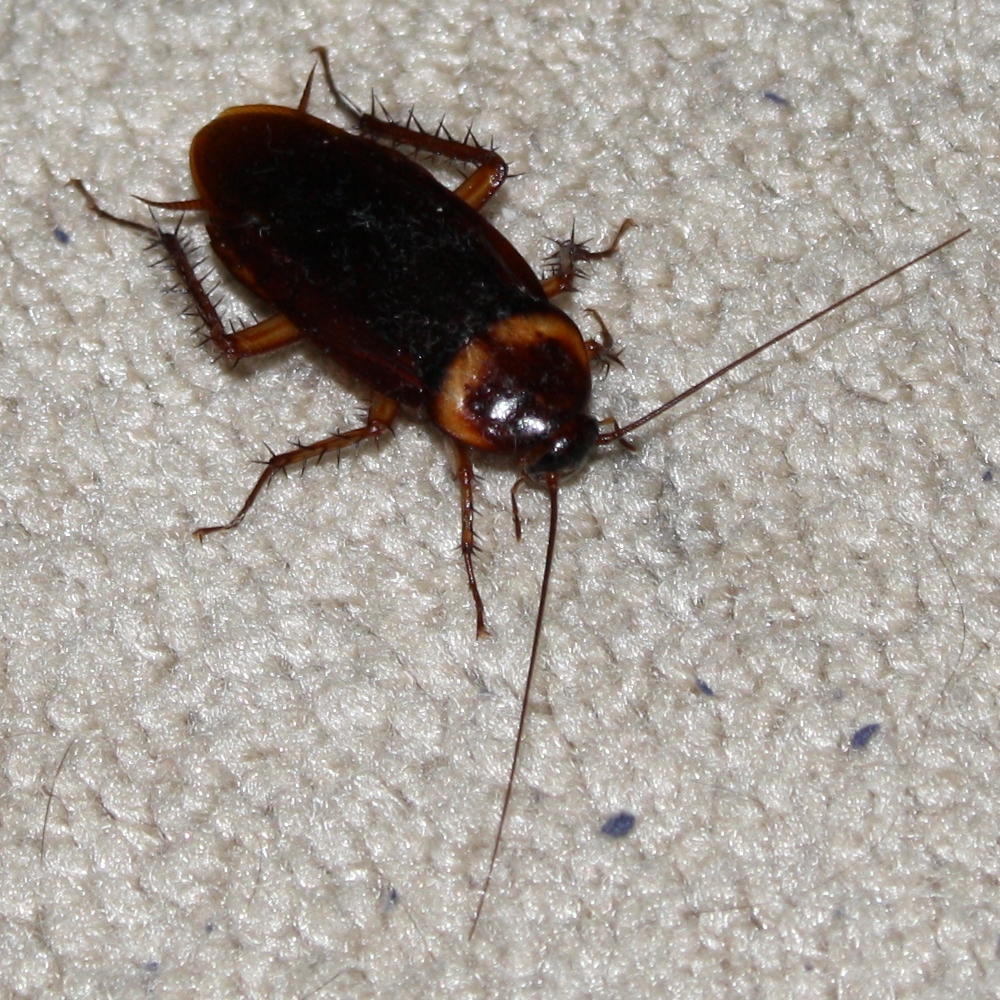
Table of Contents
Signs of Cockroaches in Your House
- Droppings: tiny dark specks like ground pepper, or dark smears and spots, near cabinets, drawers, appliances and baseboards.
- Egg cases: small brown, purse- or bean-shaped capsules in cracks and behind furniture.
- Shed skins and dead roaches in drawers, under sinks and behind appliances.
- Smell: an oily, musty odor where roaches are numerous.
- Live roaches at night in kitchens and bathrooms. Roaches out in daytime usually means a large population or that they are stressed for food or water.
Where cockroaches hide
- Under and behind refrigerators, stoves, dishwashers and microwaves
- Inside cabinets, especially upper corners, and behind drawers
- Under sinks and around water heaters and pipes
- Behind baseboards and wall art
- In cardboard boxes, clutter and electronics
German cockroaches can squeeze into cracks about 1/16 inch wide and spend most of their lives tucked into gaps that small.
Common Cockroaches in Homes
| Cockroach | Size and look | Where found |
|---|---|---|
| German | 1/2 to 5/8 inch, tan with two dark stripes behind the head | Kitchens and bathrooms; lives only indoors. See German cockroach. |
| American | 1 1/2 to 2 inches, reddish-brown with a pale band behind the head; flies | Basements, drains, sewers, boiler rooms |
| Oriental | About 1 1/4 inches, shiny black, short wings | Cool, damp spots: crawl spaces, drains, basements |
| Brownbanded | About 1/2 inch, light bands across the body; males fly | Warm, dry spots: furniture, electronics, upper cabinets |
| Smokybrown | About 1 1/2 inches, dark mahogany; flies | Outdoors in the South; enters attics and around eaves |
“Palmetto bug” is an informal regional name for large outdoor roaches, mainly the Florida woods cockroach but also American and smokybrown cockroaches. For young roaches, see baby cockroaches.
Why Cockroaches Are a Health Problem
Cockroach droppings, saliva and body parts contain proteins that trigger allergies and asthma. In a large NIH-funded study of inner-city children with asthma, cockroach allergen worsened symptoms more than dust mites or pets, and children allergic to cockroaches were hospitalized more often. Roaches also carry bacteria such as Salmonella and Staphylococcus on their legs and bodies from drains and garbage to food and counters.
How to Get Rid of Cockroaches Step by Step
1. Find where they are
Set sticky traps along the wall-floor edges in the kitchen and bathroom, inside cabinets and behind appliances. Number them and check them after a few days. The traps with the most roaches show where to focus. Many tiny nymphs means an established infestation; one or two adults may be a new arrival.
2. Remove food, water and shelter
- Wipe up crumbs and grease, wash dishes the same day, and store food in sealed containers.
- Use a trash can with a tight lid and take garbage out nightly.
- Fix leaky faucets and pipes, and don’t leave water in sinks, pet bowls or plant saucers overnight. Water matters most to roach survival.
- Get rid of cardboard boxes and clutter, and vacuum roaches, droppings and egg cases. A HEPA vacuum also removes allergens.
- Clean with soapy water and rinse; no-rinse sprays spread allergens.
3. Seal cracks
Caulk gaps around pipes, under sinks, along baseboards and backsplashes, and around cabinets. Add door sweeps on exterior doors. Every sealed crack is one less hiding place.
4. Bait them
- Apply gel bait in many pea-sized dots rather than a few large blobs, within a foot or two of where roaches hide: cabinet hinges and corners, behind appliances, under sinks.
- Don’t spray insecticides or cleaners near the bait. Contaminated bait repels roaches.
- Recheck and rebait every one to two weeks while roaches are still feeding.
- If a bait stops working, switch to a bait with a different active ingredient. Roaches can become resistant or learn to avoid a bait.
- Bait stations are a tidy, tamper-resistant option where children and pets are around.
5. Add a dust and a growth regulator
A thin, barely visible layer of boric acid dust in dry voids, under appliances and behind cabinet kick plates kills roaches that walk through it, though it takes a week or more. Diatomaceous earth works the same way but is less effective. An insect growth regulator (IGR) stops young roaches from becoming breeding adults; place bait near it, not on it.
6. Keep monitoring
Keep checking sticky traps. Continue baiting until traps catch no roaches for several weeks. Expect fewer roaches within two to three weeks; insect growth regulators take four to six weeks to show their full effect.
What Doesn’t Work
- Bug bombs and foggers: an NC State study found foggers did nothing to reduce German cockroaches in infested apartments. The fog doesn’t reach roaches in cracks, coats counters and floors with pesticide, and is a fire hazard near pilot lights.
- Store-bought spray cans: sprays scatter roaches into new hiding spots and spoil nearby baits, and German cockroaches are highly resistant to common pyrethroid sprays.
- Sticky traps alone: great for monitoring, but they won’t control an infestation.
When to Call a Professional
Call a licensed pest control company for heavy infestations, roaches in several rooms, or if baiting hasn’t made a dent after a month. In apartments, report roaches to the landlord: roaches move between units through shared walls and plumbing, and treating one apartment alone often fails. Get more than one estimate and ask whether they use baits and monitoring rather than routine spraying.
Cockroach control supplies
- Cockroach gel bait for cracks and cabinets
- Roach bait stations for homes with kids and pets
- Sticky monitoring traps to find and track roaches
- Boric acid dust with a duster for voids
As an Amazon Associate, Pestbugs earns from qualifying purchases.
FAQs
Gel bait placed in many small dots near where roaches hide, combined with cleaning up food, grease and water. Baits start working within a week and usually show clear results in two to three weeks. Sprays and foggers look fast but scatter roaches and miss most of them.
Droppings like ground pepper or small dark smears near cabinets and appliances, brown egg cases, shed skins, a musty oily smell, and live roaches in kitchens and bathrooms at night. Seeing them in daytime usually means a large infestation.
No. In an NC State study, foggers tested in infested apartments didn’t reduce German cockroaches, because the fog never reaches the cracks where roaches hide. They also leave pesticide residue on surfaces and are a fire risk near pilot lights.
Yes, slowly. A thin, barely visible film of boric acid dust in dry voids, behind appliances and under sinks kills roaches that walk through it, usually over a week or more. Piles of dust don’t work because roaches avoid them.
Cockroaches need only crumbs, grease and water, and German cockroaches often arrive hidden in grocery bags, boxes, used appliances and furniture. In apartments they also move between units through shared walls and plumbing.
For heavy German cockroach infestations, roaches in several rooms, or if baits haven’t worked after a month. In apartments, tell the landlord, since treating one unit alone often fails.
Sources
- UC IPM Pest Notes: Cockroaches
- University of Florida IFAS: Cockroaches and Their Management
- Texas A&M AgriLife Extension: Cockroach Biology and Management (E-359)
- University of Nebraska Extension: Low-Toxic Cockroach Control (G1523)
- NC State Extension: Bug Bombs Are Ineffective at Killing Roaches Indoors
- NIH: Cockroach Allergen and Inner-City Childhood Asthma
- University of Florida IFAS: Florida Woods Cockroach (Palmetto Bug)
Facts in this guide are checked against the sources above and reviewed when they change. See how we research in our editorial policy.
Related guides
- Types of Cockroaches: Pictures & How to Identify Each One
- Palmetto Bug vs Cockroach: What’s the Difference?
- German Cockroach: Identification & How to Get Rid of Them
- Baby Cockroaches: Pictures, Size & How to Get Rid of Them
- Water Bug vs Roach: Differences & Similarities
- Signs of Mice in Your House & How to Get Rid of Them