
To get rid of gnats in the house, find out which kind you have and remove what they breed in. Tiny flies with red eyes around fruit and trash are fruit flies: throw out overripe produce, clean drains, bins and mops, and trap them with apple cider vinegar. Dark gnats around houseplants are fungus gnats: let the soil dry and use sticky traps and Mosquito Bits. Fuzzy, moth-like flies near sinks are drain flies: scrub the drain. Sprays only kill the adults you see, so the gnats come back until the source is gone.
Table of Contents
Which Gnat Do You Have?
| Gnat | What it looks like | Where you see it | Breeds in |
|---|---|---|---|
| Fruit fly | About 1/8 inch, tan front, dark rear, usually red eyes | Kitchen, fruit bowl, trash, recycling | Overripe produce, spills, drains, recycling, mops |
| Fungus gnat | About 1/8 inch, dark, slender, long legs, mosquito-like | Houseplants, windows | Damp potting soil |
| Drain (moth) fly | About 1/10 inch, gray and fuzzy, moth-shaped wings | Bathroom and kitchen walls near drains | Slime film inside drains and pipes |
| Phorid fly | About 1/8 inch, humped back, runs erratically | Near drains, trash, ground floor | Rotting organic matter, broken sewer lines |
| Midge | Mosquito-like, doesn’t bite | Windows and outdoor lights at night | Ponds and lakes outdoors |
Fruit Flies
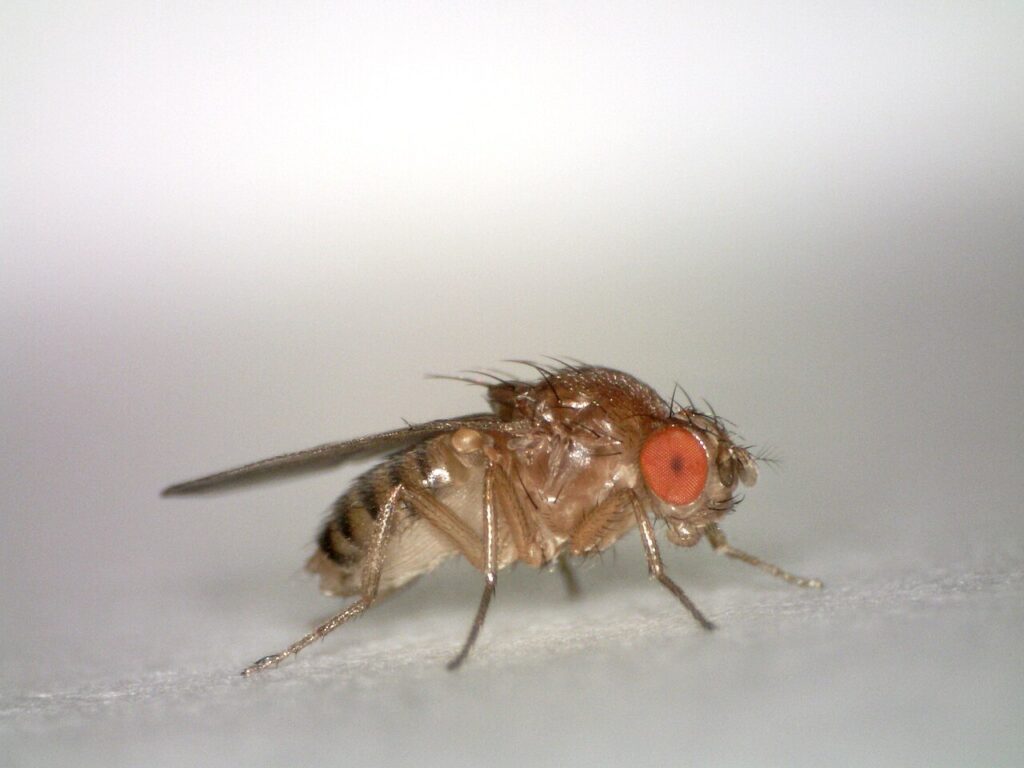
Small flies in the kitchen are usually fruit flies. They are about 1/8 inch long, with a tan front half, a darker rear and usually red eyes. A female can lay about 500 eggs, and in warm weather they go from egg to adult in about 8 to 10 days, so numbers explode quickly. They are most common in late summer and fall but can breed indoors year-round.
Where fruit flies breed
- Overripe bananas, tomatoes and other fruit, and forgotten potatoes or onions
- Juice, wine or beer spilled under the refrigerator or behind appliances
- Unrinsed bottles, cans and recycling bins
- Drains, garbage disposals and the residue in trash cans
- Sour mops, rags, brooms and buckets
- Refrigerator drip pans and cracked tile grout
How to get rid of fruit flies
- Find the source. Check produce, bins, recycling and under appliances. To test a drain, tape a clear plastic bag over it overnight; if flies are in it by morning, the drain is breeding them.
- Remove it. Eat, refrigerate or throw out ripe produce, cut away damaged spots, empty and wash trash and recycling bins, and rinse recyclables.
- Clean drains. Scrub with a brush and pour boiling water slowly down the sides, or use a bacterial drain cleaner.
- Trap the adults. Fill a small glass about two-thirds with apple cider vinegar, add one or two drops of dish soap, stretch plastic wrap over the top and poke a dozen small holes. A paper funnel in a jar with a little vinegar, wine or mashed banana works too. Refresh the bait daily.
- Take out the trash nightly until the flies are gone.
Once the breeding sites are gone, numbers should drop within several days, and the last adults die off in about two weeks.
Fungus Gnats
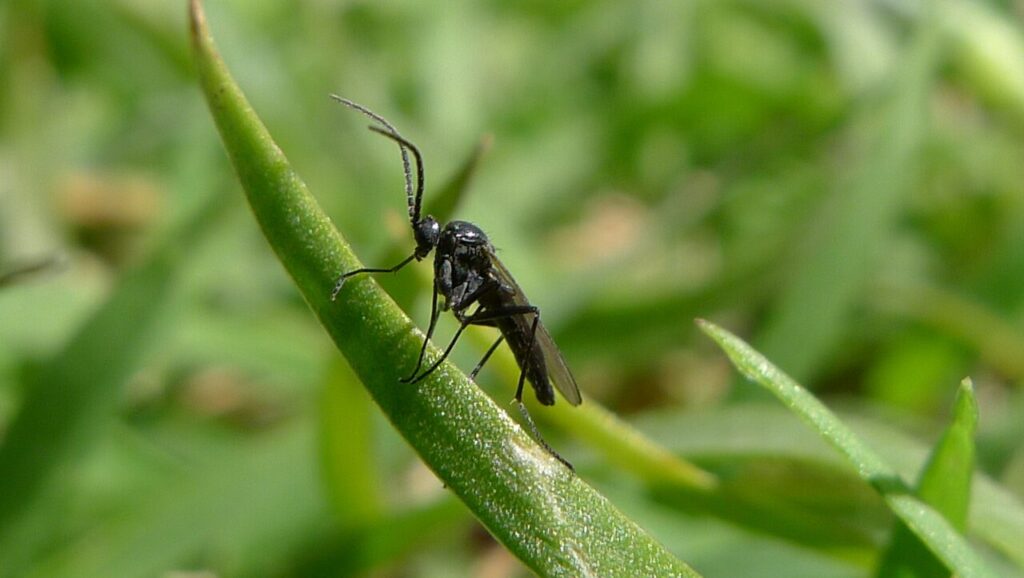
If the gnats hover around houseplants, run across the soil and gather at windows, they are fungus gnats. They are harmless to people and breed in damp potting soil, so problems spike in fall when plants come back inside and in winter when plants are overwatered. Vinegar traps don’t catch them.
- Let the top inch or two of soil dry between waterings, and water from below.
- Place yellow sticky traps just above the soil to catch adults.
- Drench the soil with water soaked with Mosquito Bits (Bti) every five to seven days to kill larvae.
- Top pots with 1/2 to 1 inch of coarse sand or fine gravel.
Full step-by-step guide: how to get rid of fungus gnats.
Drain Flies
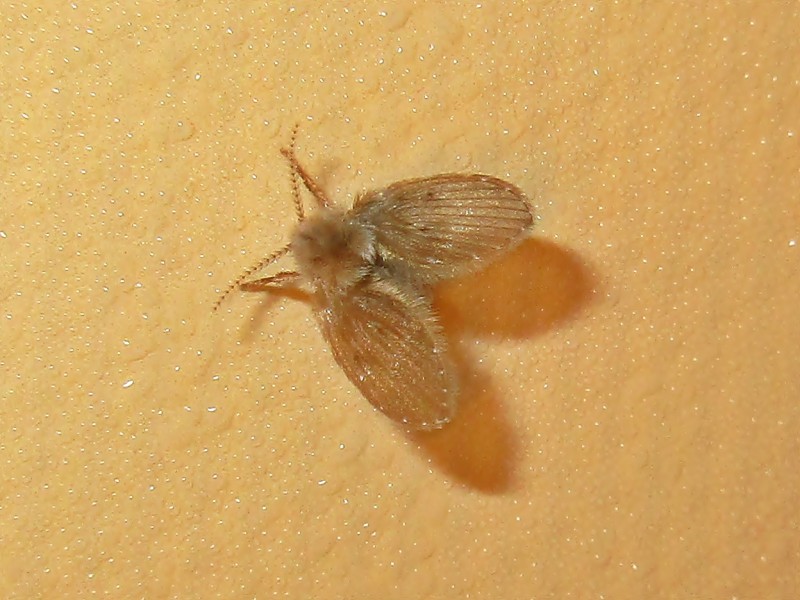
Drain flies, also called moth flies, are fuzzy gray flies about 1/10 inch long with wings like a tiny moth. They rest on bathroom and kitchen walls, make short, hopping flights and turn to dust when swatted. They don’t bite. Their larvae live in the gelatinous slime that lines drains, overflows, rarely used toilets, floor drains, sump pits, refrigerator drip pans and air conditioner condensate lines. Infestations often show up after a vacation, when drains sit unused.
How to get rid of drain flies
- Find the drain. Tape plastic wrap or a bag over each drain, or put an oiled cup upside down over it, and check after a day or two.
- Scrub the pipe. Cleaning the slime out is the only effective fix. Use a stiff long-handled drain brush or a plumber’s snake.
- Use a bacterial or enzyme drain cleaner to break down the remaining film.
- Flush with boiling water poured slowly down the sides as a follow-up; on its own it gives only short-term control.
- Fix leaks and clean drip pans, condensate lines and sump pits.
Bleach and ammonia don’t help, and never mix bleach with another drain cleaner. Don’t pour insecticide down drains.
Phorid Flies
Phorid flies, also called humpbacked or scuttle flies, are about 1/8 inch long with a humped back. Instead of flying, they tend to run in quick, jerky bursts across counters and walls, and they don’t have red eyes. They breed in moist, rotting organic matter: rotting potatoes or onions, drains and garbage disposals, dirty mop heads, pet waste and soggy plant soil. Huge numbers on the ground floor can mean a broken drain or sewer line under the slab, which needs a plumber to find and repair. Bleach won’t control them; microbial drain cleaners and removing the rotting material will.
Midges at the Windows
Mosquito-like insects collecting on windows and porch lights at night, especially near ponds or lakes, are usually non-biting midges. They breed in water outdoors and are drawn to lights. Turn off unnecessary outdoor lights, close blinds at night and keep screens in good repair. Spraying the house gives mixed results. For midges that do bite, see biting midges (no-see-ums).
Do Gnat Sprays Work?
Insecticide sprays only kill the adults in the air. Eggs and larvae in fruit, drains and soil survive, so new gnats keep emerging no matter how often you spray. Use a spray, if at all, only after removing the breeding source.
How to Prevent Gnats
- Refrigerate ripe produce and don’t let fruit sit out for days.
- Rinse recyclables and empty kitchen trash daily.
- Clean and dry mops, sponges and rags.
- Run water in seldom-used drains weekly and scrub kitchen drains regularly.
- Water houseplants only when the soil surface is dry.
- Keep window screens tight.
Gnat control supplies
- Fruit fly traps for the kitchen
- Yellow sticky traps for houseplants
- Mosquito Bits (Bti) for fungus gnat larvae
- Long drain brush and enzyme drain cleaner for drain flies
As an Amazon Associate, Pestbugs earns from qualifying purchases.
FAQs
First figure out which gnat you have. Fruit flies around the kitchen: throw out overripe produce, clean drains and bins, and set apple cider vinegar traps. Gnats around houseplants are fungus gnats: let the soil dry and use sticky traps and Mosquito Bits. Fuzzy flies near sinks are drain flies: scrub the drain.
Something moist and decaying that they breed in: overripe fruit, a forgotten potato or onion, spilled juice, unrinsed recycling, a dirty mop, the slime inside drains, or soggy potting soil. Finding and removing that source is the only lasting fix.
It traps fruit flies. Fill a small glass about two-thirds with apple cider vinegar, add a drop or two of dish soap, cover with plastic wrap and poke small holes. It doesn’t work on fungus gnats or drain flies, and traps won’t end the problem until you remove where they breed.
Not reliably. Extension entomologists say bleach doesn’t kill drain fly or phorid fly larvae in the slime layer. Scrubbing the pipe with a stiff brush and using a bacterial or enzyme drain cleaner works better. Never mix bleach with other drain cleaners.
Fungus gnats breed in houseplant soil all winter, especially when plants are overwatered. Fruit flies breed indoors year-round in produce and drains, and drain flies keep breeding in pipes in heated homes.
Only briefly. Sprays kill the adults flying around but not the eggs and larvae in fruit, drains or soil, so new gnats keep appearing until you remove the breeding source.
Sources
- University of Kentucky Entomology: Fruit Flies (ENTFACT-621)
- University of Wisconsin Extension: Fruit Flies in the Home
- Michigan State University Extension: How to Get Rid of Fruit Flies in Your Home
- University of Kentucky Entomology: Drain Flies or Moth Flies (ENTFACT-615)
- Iowa State University Extension: Moth Fly
- NC State Extension: Phorid Flies
- University of Wisconsin Extension: Fungus Gnats on Houseplants
- NC State Entomology: Non-Biting Midges
Facts in this guide are checked against the sources above and reviewed when they change. See how we research in our editorial policy.