
To get rid of chipmunks, remove the cover and food that draw them close to your house, protect bulbs and seed beds with 1/4-inch hardware cloth, seal openings around foundations, steps and patios, and trap persistent chipmunks with live traps or rat-size snap traps baited with nuts, sunflower seeds or peanut butter. No poisons are labeled for chipmunks, and mouse or rat baits are not recommended. Chipmunks rarely cause serious damage, but their 20- to 30-foot burrows can undermine patios, steps and walls when they dig close to a building.
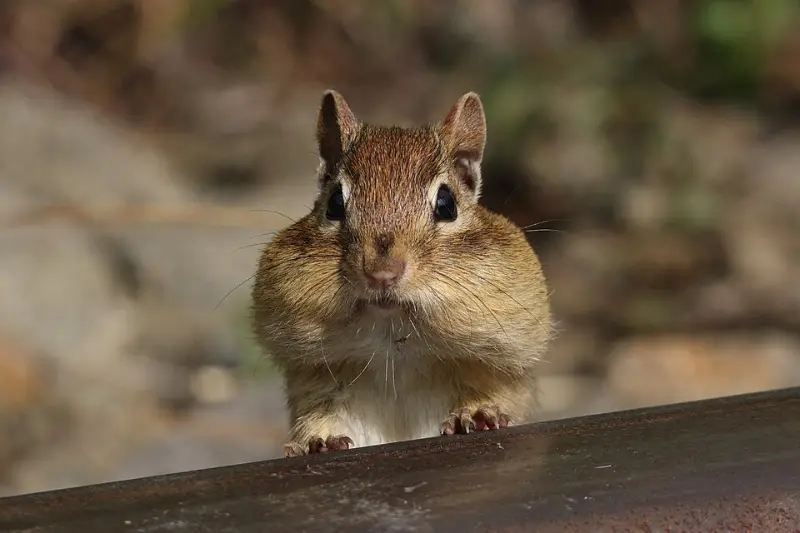
Table of Contents
How to Tell You Have Chipmunks
- Burrow holes: clean, round openings about 2 inches across, often near walls, steps, rock piles or shrubs, with no mound of dirt around them. Chipmunks carry the soil away in their cheek pouches.
- Dug-up bulbs and seeds: missing tulip and crocus bulbs, seed trays raided, seedlings nipped.
- Raided pet food and birdseed left in garages and on porches.
- Daytime sightings: unlike mice and rats, chipmunks are active during the day.
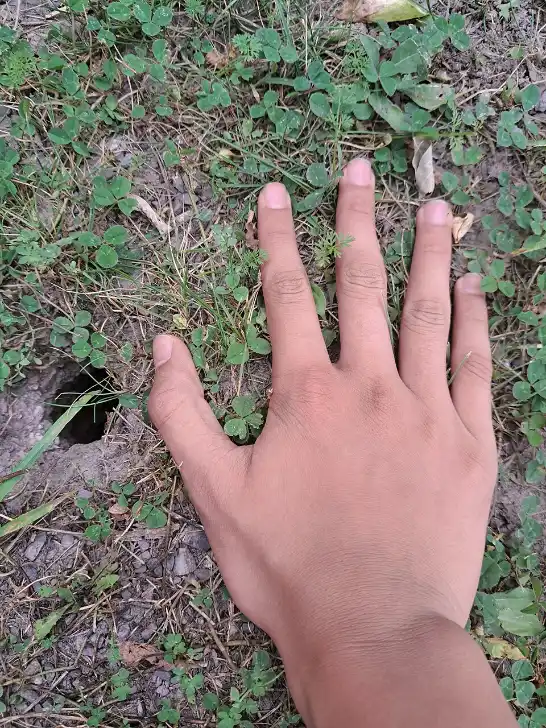
Bigger holes with a large dirt mound point to groundhogs; raised ridges point to moles; narrow runways point to voles.
Chipmunk Facts That Matter for Control
Eastern chipmunks are about 9 to 10 inches long including the tail and weigh about 3 ounces. A main burrow tunnel runs 20 to 30 feet, and two to four chipmunks may share an acre. They mate in spring and again in summer or early fall, have litters of two to five young, live up to three years, and hibernate through winter, so fall and spring are when you notice them most.
How to Get Rid of Chipmunks: Step by Step
1. Remove what attracts them
Wooded edges, shrub thickets, woodpiles, rock walls and ground covers give chipmunks cover. Clean up spilled birdseed or move feeders well away from the house, store pet food and seed in sealed containers, and avoid dense plantings right against the foundation.
2. Protect bulbs and seed beds
Cover bulbs and seeds with 1/4-inch hardware cloth, then soil, and extend the mesh at least a foot beyond the edge of the planting. Chipmunks can’t dig through it, but shoots grow up through the openings.

3. Seal openings near the house
Close gaps under steps, around foundations and around utility lines with hardware cloth, caulk or similar materials. Exclusion costs less over time than trapping, especially where chipmunks are numerous.
4. Trap persistent chipmunks
- Use a small live-catch cage trap or a rat-size snap trap. Mouse traps are too small.
- Bait with nut meats, sunflower seeds, raisins or cereal grains; peanut butter mixed with oats works well on snap-trap triggers.
- Pre-bait for a couple of days with the trap door wired open, then set it.
- Place traps along routes where chipmunks travel or feed, secure them so they don’t shift, and cover snap traps with a box to protect birds and pets.
- Check traps daily. If you release chipmunks, take them at least a mile away, and check your state’s rules on trapping and relocating wildlife first.
What Doesn’t Work
- Poison: no toxic baits are labeled for chipmunks, and using mouse or rat bait on them is not recommended. It can also kill pets and other wildlife.
Are Chipmunks Dangerous?
Their main harm is to gardens and, occasionally, to steps, patios and walls they burrow under. Many homeowners tolerate a few. In some states, such as Missouri, chipmunks are protected wildlife that can still be controlled when they cause damage, so check with your state wildlife agency.
Chipmunk control supplies
- 1/4-inch hardware cloth for bulb beds and gaps
- Small live-catch trap
- Rat-size snap traps (cover them to protect birds)
- Sealed seed and pet food bins
As an Amazon Associate, Pestbugs earns from qualifying purchases. Check your state’s wildlife rules before trapping.
FAQ
Remove food and cover near the house, protect bulbs with hardware cloth, seal openings around foundations and steps, and trap persistent chipmunks with live traps or rat-size snap traps.
Nut meats, sunflower seeds, raisins and cereal grains. Peanut butter mixed with oats works well on snap-trap triggers.
Trap or exclude the chipmunk first, then fill the hole. Seal nearby openings around steps, patios and foundations with hardware cloth or caulk so they can’t move back in.
They can. Burrows dug under steps, patios, retaining walls or foundations can loosen soil and cause settling.
No toxic baits are labeled for chipmunks, and mouse and rat baits are not recommended because they can harm pets and other wildlife.
During the day, especially in spring and fall. They hibernate through winter.
Sources
- University of Missouri Extension: Controlling Nuisance Chipmunks (G9527)
- Purdue Extension: Chipmunks (ADM-2)