
Pack rats, also called woodrats (Neotoma), are native rats with a furry tail, big rounded ears, large dark eyes and a white or pale belly. They build large stick-and-debris nests called middens, collect shiny objects, and can chew wiring in cars and homes. To get rid of them, seal every opening larger than 1/2 inch, then trap with rat-size snap traps or 5 x 5 x 15-inch live traps baited with nuts, bacon rind or dried fruit, and remove nearby nests once the rats are gone. Catching one or two pack rats often stops the damage. Wear gloves and wet-clean nests and droppings, because middens can harbor kissing bugs, fleas, ticks and viruses.
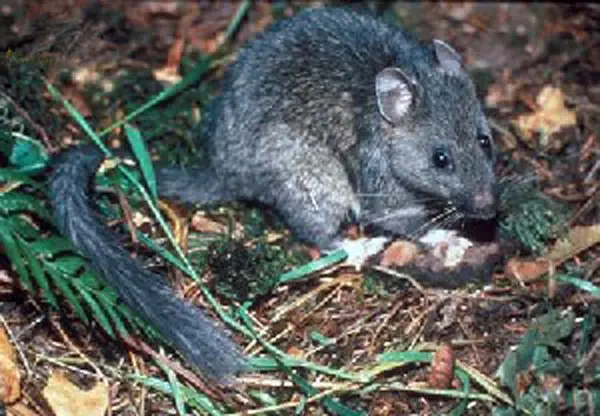
Table of Contents
Pack Rat vs Regular Rat
| Pack rat (woodrat) | Roof rat / Norway rat | |
|---|---|---|
| Tail | Covered in fur or long hairs | Scaly, nearly hairless |
| Ears and eyes | Large, rounded, hairy ears; large dark eyes | Smaller ears and eyes |
| Fur | Soft; cinnamon, brown, gray or buff, with a pale belly and feet | Coarser; brown, gray or black |
| Size | 12 to 17 inches including the tail; 6 to 12 ounces | Roof rats are a similar size; Norway rats are heavier |
| Nest | Large middens of sticks, cactus, debris and collected objects | Hidden nests in burrows, walls or attics |
| Status | Native wildlife, often protected | Non-native pests |
For the non-native rats, see roof rats vs Norway rats and how to get rid of rats.
Signs of Pack Rats
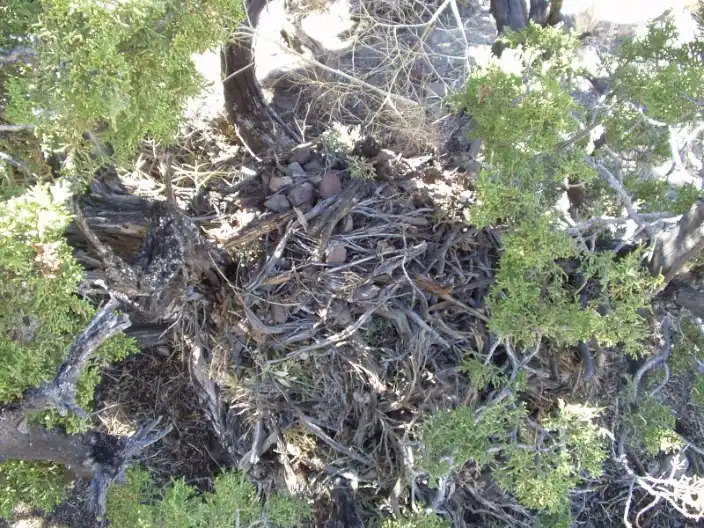
- Middens: piles of sticks, cactus pieces, leaves and debris, often 3 to 5 feet tall and wide on the ground, at the base of cholla cactus, in rock piles, at tree bases or in sheds and attics.
- Missing small, shiny items such as coins, jewelry, spoons and bits of foil, sometimes “traded” for sticks or nuts left behind.
- Chewed wiring in vehicles, engine compartments and homes, plus nesting material in engine bays.
- Gnawing and noises at night in attics, walls or sheds. Pack rats are nocturnal; scratching during the day is more often squirrels in the attic.
Where Pack Rats Live
Woodrats are found in many parts of the U.S., from Kansas to the desert Southwest, where several species live, including the white-throated, desert, Mexican, bushy-tailed and dusky-footed woodrats. They nest in rock crevices, brush piles, fallen trees, tree bases and cactus, and sometimes in sheds, attics and vehicles. They breed mostly in early summer and can have several litters a year of four or five young, which mature in about two months. Most live one to two years.
Are Pack Rats Dangerous?
- Kissing bugs: middens are common breeding sites for kissing bugs, which can move into nearby homes and bite. Some people have severe allergic reactions to the bites.
- Viruses: white-throated woodrats are reported carriers of arenaviruses. People can be infected by breathing in dust from urine, droppings or nest material during cleanup, the same way as hantavirus from mice.
- Parasites: nests can hold mites, ticks and fleas.
- Fire and repair costs from chewed vehicle and home wiring.
How to Get Rid of Pack Rats
1. Seal them out
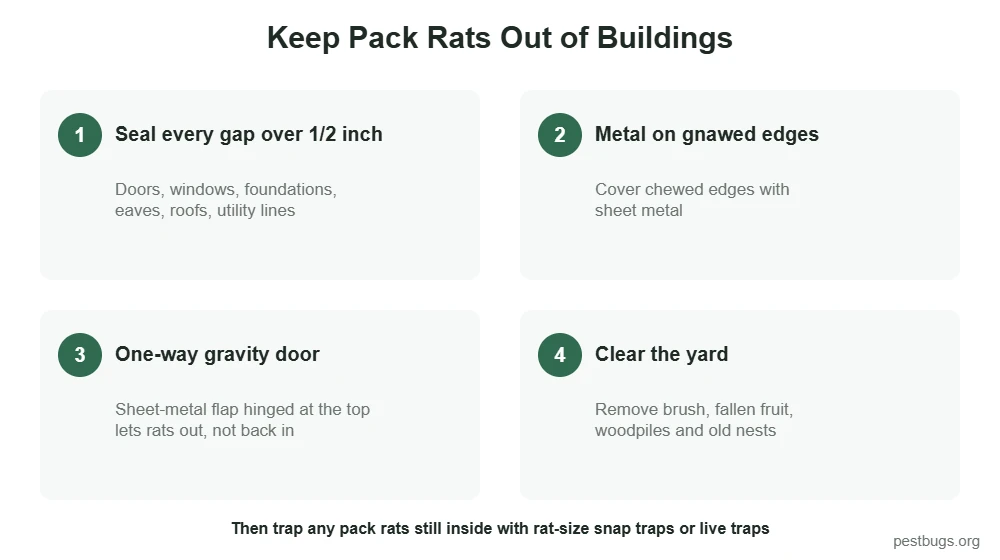
Exclusion is the main control, especially since some woodrat species are protected or endangered. Seal cracks and gaps around doors, windows, foundations, eaves, roofs and utility lines, and leave no hole larger than 1/2 inch. Where they gnaw, cover edges with sheet metal. A temporary sheet-metal “gravity door” hinged at the top lets a pack rat leave a building but not return.
2. Trap them
- Use standard rat-size snap traps. Tie or glue the bait to the trigger: nut meats, bacon rind or dried fruit.
- Pre-bait unset traps for several days until the bait is being taken, then set them.
- Place traps along trails, near nests or against walls where you see activity, and cover them to protect pets and birds.
- Live traps also work: use a cage trap about 5 x 5 x 15 inches. A ball of foil hung behind the trigger can lure pack rats, which love shiny objects.
- Check your state’s rules first. Pack rats are native, non-game wildlife; in Arizona, for example, they can be controlled when they damage property or pose a health risk.
3. Remove nests and clean up safely
After the pack rats are gone, remove nearby middens if practical to reduce reinvasion. Wear gloves, wet the nest and droppings with disinfectant first, and never sweep or vacuum them dry; see safe rodent droppings cleanup. Keep yards free of fallen fruit, brush and debris, and inspect cactus and woodpiles near the house.
Pack Rats in Cars
Pack rats nest in engine compartments and chew wiring. Park in a sealed garage if you can, remove debris and nests from the engine bay, trap around the vehicle, and seal the garage to the same 1/2-inch standard. Poison baits are risky because pack rats often carry bait back to their den instead of eating it, where pets and other animals can find it.
Pack rat control supplies
- Rat-size snap traps
- Small live trap (about 5 x 5 x 15 inches)
- Sheet metal or flashing for gnawed edges
- Disposable gloves for nest cleanup
As an Amazon Associate, Pestbugs earns from qualifying purchases.
FAQ
Pack rats have a furry tail, large rounded ears, big dark eyes, soft fur and a pale belly. Roof and Norway rats have a scaly, nearly hairless tail and smaller ears.
Nut meats, bacon rind or dried fruit, tied or glued to the trigger of a rat-size snap trap. A ball of foil behind the trigger also works in live traps.
Pack rats are attracted to small, shiny objects such as coins, jewelry and foil, and carry them to their nests, sometimes leaving sticks or nuts behind.
Their nests can harbor kissing bugs, fleas, mites and ticks, and some species carry viruses that can spread through dust from droppings. They also chew vehicle and home wiring.
Seal every opening larger than 1/2 inch to keep pack rats out.
It is not recommended as the only method. Pack rats often carry bait back to their nests, where other animals can eat it.
Sources
- University of Arizona Cooperative Extension: Pack Rats
- Kansas State University Research and Extension: Woodrats (L-867)
- CDC: How to Clean Up After Rodents