
Bed bugs don’t live in hair. Unlike head lice, they can’t grip hair, so they crawl onto exposed skin to feed for a few minutes and then return to hiding places in the bed and furniture. They don’t lay eggs in hair either. A bed bug can crawl through hair now and then, and bites can show up along the hairline and neck, but an itchy scalp with tiny eggs on the hair points to lice, and other scalp problems have different causes.

Table of Contents
Can Bed Bugs Live in Your Hair?
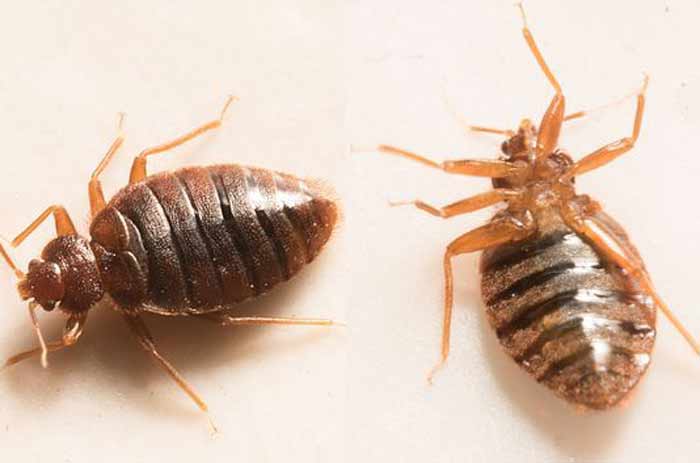
No. Bed bugs don’t live on the body the way lice and scabies mites do. They have no claws or hooks for clinging to hair, fur or feathers, so they are rarely found on people or pets. After feeding for about 3 to 10 minutes, a bed bug crawls back to a crack in the mattress, bed frame, headboard or nearby furniture.
A bed bug may cross through hair on the way to bare skin, or get caught briefly in long hair on a pillow. It won’t stay, and it won’t lay eggs there. Eggs go into cracks and seams near the bed.
Do Bed Bugs Bite the Scalp?
Bed bugs bite skin left uncovered in bed, most often the face, neck, arms and hands. Bites can show up along the hairline, behind the ears or on the back of the neck, especially in people with short hair. Bites deep in the scalp under thick hair are unusual.

Bed bug bites are usually red, itchy bumps, often in a line or cluster of three to five, and may take several days to appear. See what bed bug bites look like and how long bed bug bites last.
Bed Bugs vs Lice vs Scabies
| Bed bugs | Head lice | Scabies | |
|---|---|---|---|
| Where they live | Mattress seams, bed frames, furniture | On the scalp and hair | Burrowed in the skin |
| Eggs | In cracks near the bed | Nits glued to hair within 1/4 inch of the scalp | In tunnels under the skin |
| Where you itch | Face, neck, arms, hands | Scalp, behind ears, back of the neck | Between fingers, wrists, elbows, armpits, waist |
| How it spreads | In luggage, furniture, clothing | Head-to-head contact | Long skin-to-skin contact |
| Moves by | Crawling; no flying or jumping | Crawling; no hopping or flying | Burrowing |
Lice eggs (nits) look like dandruff but stay stuck to the hair when you try to brush them off. First-time lice and scabies itching can take four to eight weeks to start.
Other Causes of an Itchy Scalp
When no bugs or nits turn up, the itch often comes from something else. Hair products, cosmetics, detergents, dry winter skin and skin conditions can all feel like crawling or biting. A dermatologist can help if the itch persists and no pest is found.
What to Do If You Think You Have Bed Bugs
- Comb or brush through your hair over a sink and wash it as usual. No special shampoo is needed.
- Check the bed: look in mattress seams, along the box spring, bed frame and headboard for small brown bugs, dark spots and shed skins.
- Wash and dry bedding, pillowcases and recently worn clothes on high heat for at least 30 minutes.
- Put interceptor cups under the bed legs to confirm bed bugs are present.
- Start treatment; see how to get rid of bed bugs.
Bed bug checks and relief
- Bright inspection flashlight for mattress seams
- Interceptor cups for bed legs
- Zippered pillow encasements and mattress covers
- 1% hydrocortisone cream for itchy bites
As an Amazon Associate, Pestbugs earns from qualifying purchases.
FAQs
No. Bed bugs don’t live on people. They lack the claws that lice use to grip hair, so they feed on exposed skin for a few minutes and then crawl back to cracks in the bed or furniture.
No. Bed bugs lay their eggs in cracks and seams near where people sleep, not on hair. Tiny white specks glued to hair shafts close to the scalp are usually lice eggs (nits).
They can bite any exposed skin, including the hairline and the back of the neck, but they usually bite the face, neck, arms and hands, where skin is bare. Many itchy bumps on the scalp itself point to another cause.
Lice live on the scalp and lay nits glued to hair near the roots, often behind the ears and at the nape. Bed bugs live in the bed: look for bugs, dark spots and shed skins in mattress seams, and for bites on the face, neck and arms.
Bed bugs don’t cause hair loss. Hair loss with an itchy scalp has other causes, such as a skin condition, and is worth showing to a doctor or dermatologist.
Comb or brush it out over a sink or bag and wash your hair as usual. You don’t need special shampoo; the real work is finding and treating the bed bugs in your bed and room.
Sources
- American Academy of Dermatology: Bedbugs Signs and Symptoms
- University of Florida IFAS: Bed Bug
- Mayo Clinic: Bedbugs
- CDC: About Head Lice
- CDC: About Scabies
- Cleveland Clinic: Head Lice
- University of Kentucky Entomology: Mystery Bites and Itches (ENTFACT-649)
Facts in this guide are checked against the sources above and reviewed when they change. See how we research in our editorial policy.
Related guides
- How to Get Rid of Bed Bugs: 7 Steps That Work (DIY & Professional)
- What Do Bed Bugs Look Like? Pictures, Size, Eggs, Shells & Poop
- What Attracts Bed Bugs & things they Hate /Dislike Most
- How do Bed Bugs Spread? Are they Contagious? How Fast/Easily from Person, Room or House?
- How to Kill Bed Bugs with Steam: Best Steamers & Guide + Tips
- What Do Bed Bug Bites Look Like? Pictures, Patterns & How to Tell
Sources
[1] http://www.cambridgepublichealth.org/publications/Cambridge-Bed-Bug-Booklet-2013.pdf
[2] https://www.aad.org/public/diseases/itchy-skin/bedbugs#treatment