
Only one type of trap works well on cluster flies: a UV light trap with a sticky board, placed in a dark attic or unused room. Fly paper, fly strips and bait traps don’t attract cluster flies, bug zappers catch few, and indoor sprays and foggers can’t reach the flies hiding in your walls. The most effective control is free: vacuum the flies you see and seal gaps before late August. Use traps to cut numbers in attics, not as the whole plan.
Table of Contents
Cluster Fly Traps and Sprays at a Glance
| Method | Works on cluster flies? | Best use |
|---|---|---|
| UV light trap with sticky board | Yes, partly | Dark attics, spare rooms, suspended ceilings |
| Vacuum | Yes | Flies gathered at windows |
| Clear sticky window traps | Some | Catch flies that land on the glass of sunny windows |
| Fly paper and fly strips | No | Cluster flies aren’t attracted to them |
| Bait and lure traps | No | Work on house flies, not cluster flies |
| Electric bug zapper | Poor | Little value; never near food |
| Indoor aerosol spray | Contact kill only | A few flies in a living area; vacuuming works as well |
| Fogger or void spray | No | Doesn’t reach flies in walls; leaves dead flies that feed beetles |
| Professional exterior spray | Yes, with sealing | Sunny outside walls in late August to mid-September |
UV Light Traps
Cluster flies that wake up in winter crawl toward light. A UV light trap with a replaceable glue board takes advantage of that in places where it doesn’t compete with daylight.
- Where: attics, closed spare rooms, upper-floor storage areas and spaces above suspended ceilings.
- How: run the trap continuously with the room lights off, and replace the sticky board when it fills.
- What to expect: light traps reduce the number of flies but don’t eliminate them, because many flies stay dormant inside walls.
Choose a trap that catches flies on a glue board rather than an electric grid, especially indoors.
Window Traps and the Window Trick
Cluster flies head for bright windows, so that is where to catch them. Clear sticky window traps stuck to the lower corner of a sunny window catch some of the flies that land on the glass.
A free method works better: darken a room except for one bright window, wait for the flies to gather on it, and vacuum them. Empty the vacuum outdoors.
Traps That Don’t Work on Cluster Flies
Fly paper and fly strips
Cluster flies aren’t attracted to most fly traps, including fly paper, sticky strips and food or chemical lures. Extension services rate fly paper of no value against them. Any flies stuck to a strip got there by accident.
Bait traps
Bait and jar traps lure house flies with sugar, fruit, meat or fly pheromone. Cluster flies feed on nectar outdoors and don’t eat in your house, so baits don’t interest them. If bait traps fill up, you probably have house flies; see cluster flies vs house flies.
Bug zappers
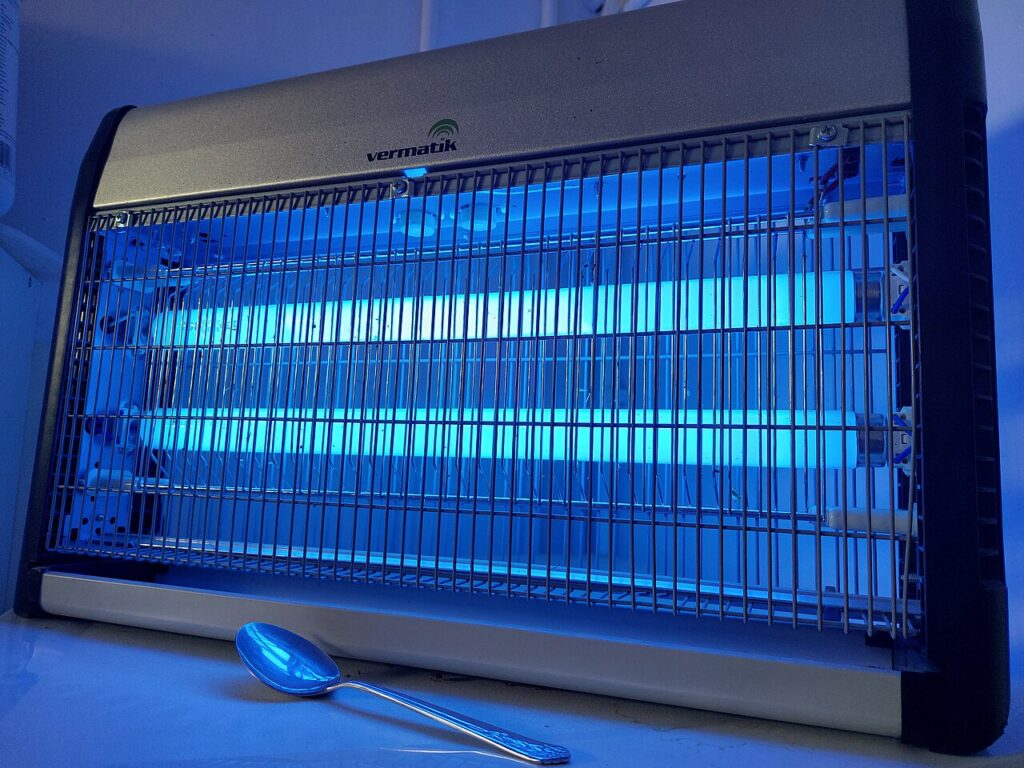
Electric zappers catch few cluster flies, because the flies don’t fly around much in attics. Extension entomologists call them of little or no value for this problem, except for professional units in the suspended ceilings of commercial buildings. Never run a zapper near food preparation, since it can throw insect parts several feet.
Cluster Fly Sprays
Indoor aerosol sprays
A household aerosol with pyrethrins kills cluster flies it hits in a living area, but a vacuum does the same without chemicals. Never spray into wall voids, attics or cracks around trim: the spray doesn’t reach flies under insulation, and thousands of dead flies inside the walls attract carpet beetles, larder beetles and rodents.
Foggers
Total-release foggers kill some flies in an attic but don’t stop more crawling out of the walls, and sprays and fogs in attics have little effect on flies hidden under insulation. Foggers also carry real risks: the propellant is flammable, so keep them at least 6 feet from pilot lights and other flames, use only one per room, keep everyone, including pets, out for the time on the label, and air out afterward.
Professional exterior spray
For heavy, recurring problems, a licensed pest professional can apply a residual insecticide (usually a pyrethroid, ideally a microencapsulated formula) to the sunny south and west walls, around windows and under eaves. Timing matters: late August to mid-September, just before the flies gather. Sunlight breaks the treatment down within several days to a week, and spraying in spring is pointless. Treat it as a supplement to sealing, not a replacement.
Always read and follow the label on any insecticide. If advice anywhere, including here, conflicts with the label, follow the label.
What Works Best: Seal, Then Trap
- Vacuum flies at windows as they appear.
- Caulk inside gaps around baseboards, window trim, light fixtures and outlets where flies come out.
- Put UV light traps in the attic and unused rooms.
- Before next fall, seal the outside of the house by late August.
The full plan, including where cluster flies come from and how long they live, is in how to get rid of cluster flies.
Cluster fly traps that work
- UV light trap with glue boards for attics and spare rooms
- Replacement glue boards to match your trap
- Clear sticky window traps for sunny windows
- Handheld vacuum for the window trick
As an Amazon Associate, Pestbugs earns from qualifying purchases.
FAQs
A UV light trap with a replaceable sticky board, placed in a dark attic or unused room. Cluster flies move toward light, so light traps catch them where daylight doesn’t compete. They reduce numbers but won’t remove every fly.
No. Cluster flies aren’t attracted to fly paper, fly strips or food and scent lures. Any catch is by chance.
Not well. Cluster flies don’t fly around much in attics, so zappers catch few, and extension services rate them of little or no value. Never use a zapper near food, since it can scatter insect parts.
A household aerosol with pyrethrins kills flies it hits in living areas, but vacuuming does the same job. Don’t spray or fog wall voids and attics; it doesn’t reach flies under insulation and leaves dead flies that feed carpet beetles.
Late August to mid-September, just before the flies gather on sunny walls. A licensed professional applies a residual insecticide to the outside walls; it breaks down in sunlight within about a week and works only alongside sealing gaps.
Light traps do, indoors and away from daylight. House flies are also drawn to bait traps and sticky paper, which cluster flies ignore.
Sources
- Colorado State University Extension: Cluster Flies and Other Winter Flies
- Penn State Extension: Cluster Flies
- Purdue Extension: Nuisance Flies, Cluster and Face Flies (E-235)
- Iowa State University Extension: Cluster Fly
- University of Minnesota Extension: Flies
- UC IPM Pest Notes: Flies
- University of Florida IFAS: House Fly (EENY-048)
- U.S. EPA: Safety Precautions for Total Release Foggers
Facts in this guide are checked against the sources above and reviewed when they change. See how we research in our editorial policy.